Projects
OFFICE
IDEAS
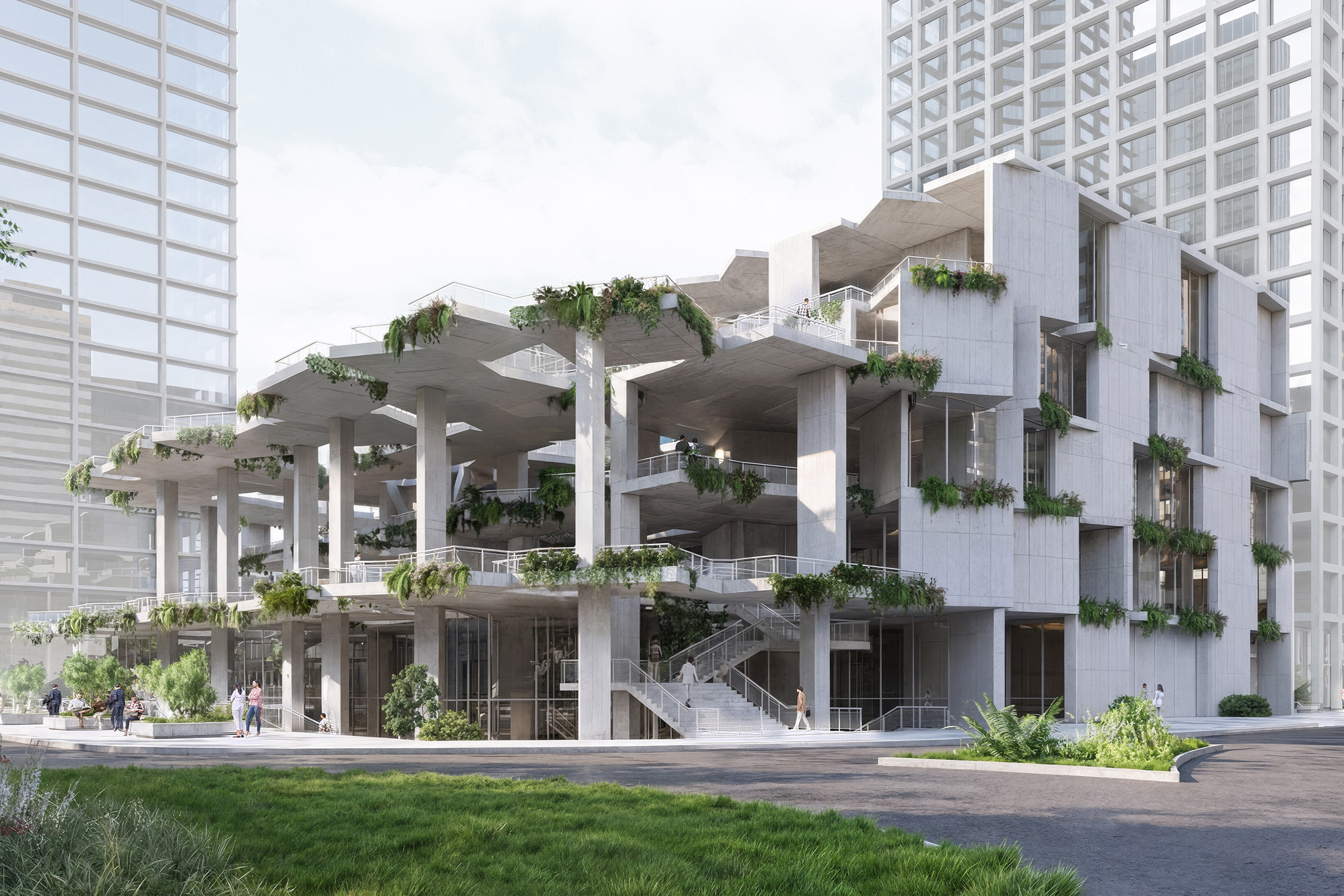
Architecture in Panama exists between the grand, planned urban fabric with towers that rise against the harsh sun, defining the city's verticality, and the organic urban fabric of lightweight structures that infuse daily life with spontaneity, community, and refuge from the heat. This paradox is deepened by the encounter between the city's lush vegetation, always yearning to expand, and the strict boundaries of the buildings that attempt to contain it. Within this friction of forms, scales, and states of matter, our project celebrates these tensions. It proposes a construction that absorbs them, one that is simultaneously built and natural, ordered and infused with curiosity, protective yet open, in faithful dialogue with Panama's cultural, natural, and urban identities.
The new MAC Panama headquarters does not seek to impose itself as an isolated or hermetic object, but rather to act as a threshold, a spatial gradient that dissolves the orthogonal grid and transforms it into a fluid and permeable urban catalyst for activity. The intervention acts as a device that intuits the complexity of the immediate environment, offering a physical and spatial response to the fragmentation of the city as a gesture to conceptually unify this divide.
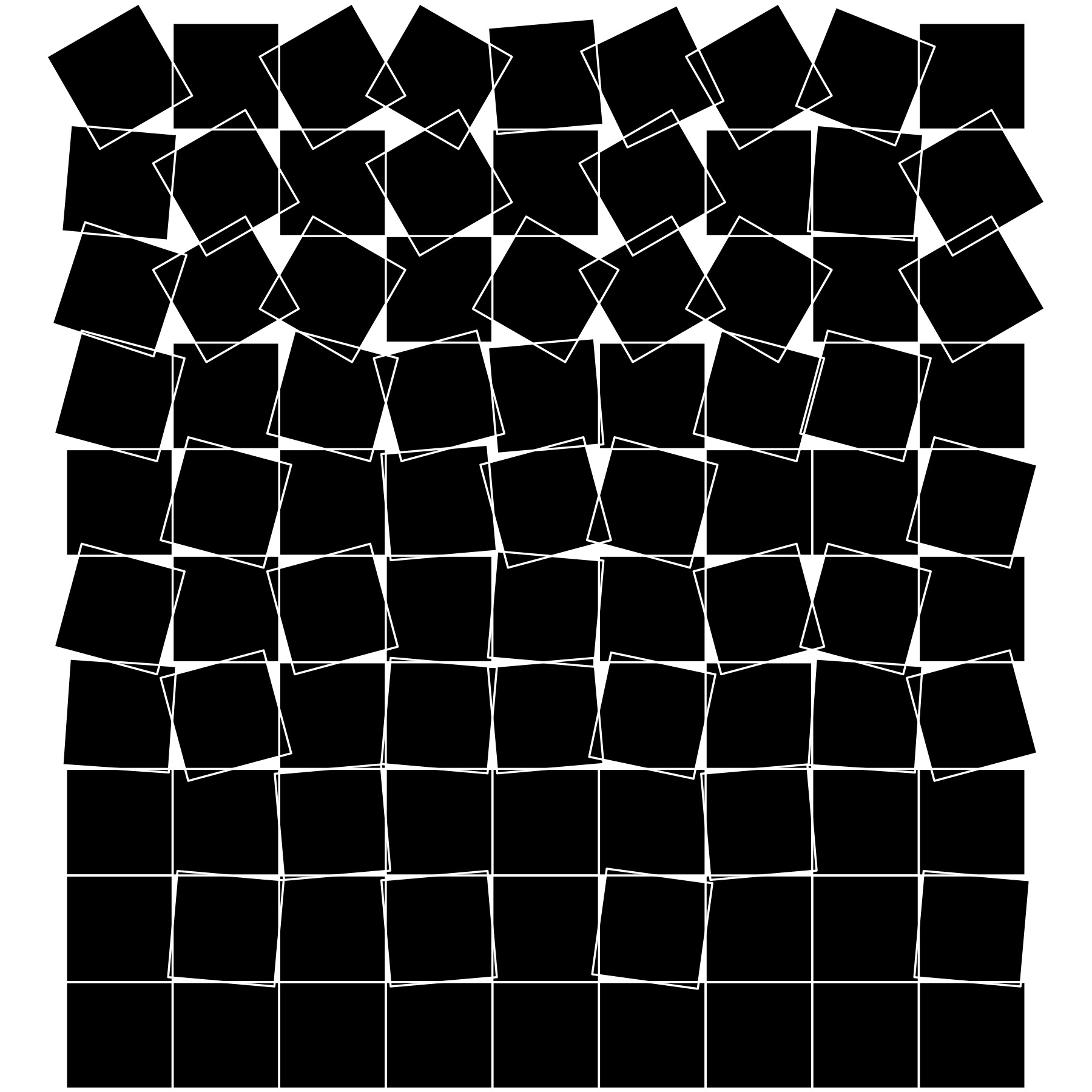
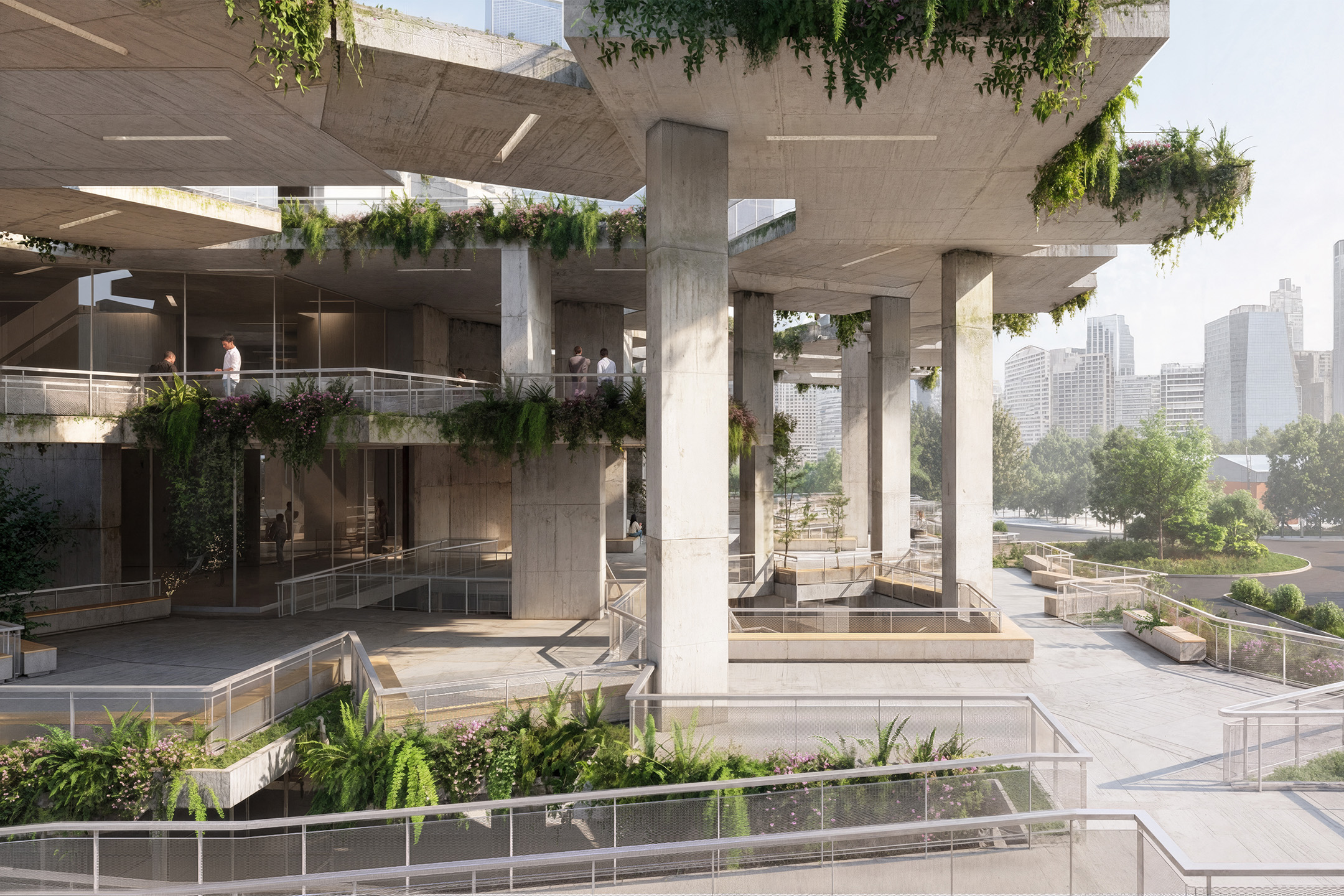
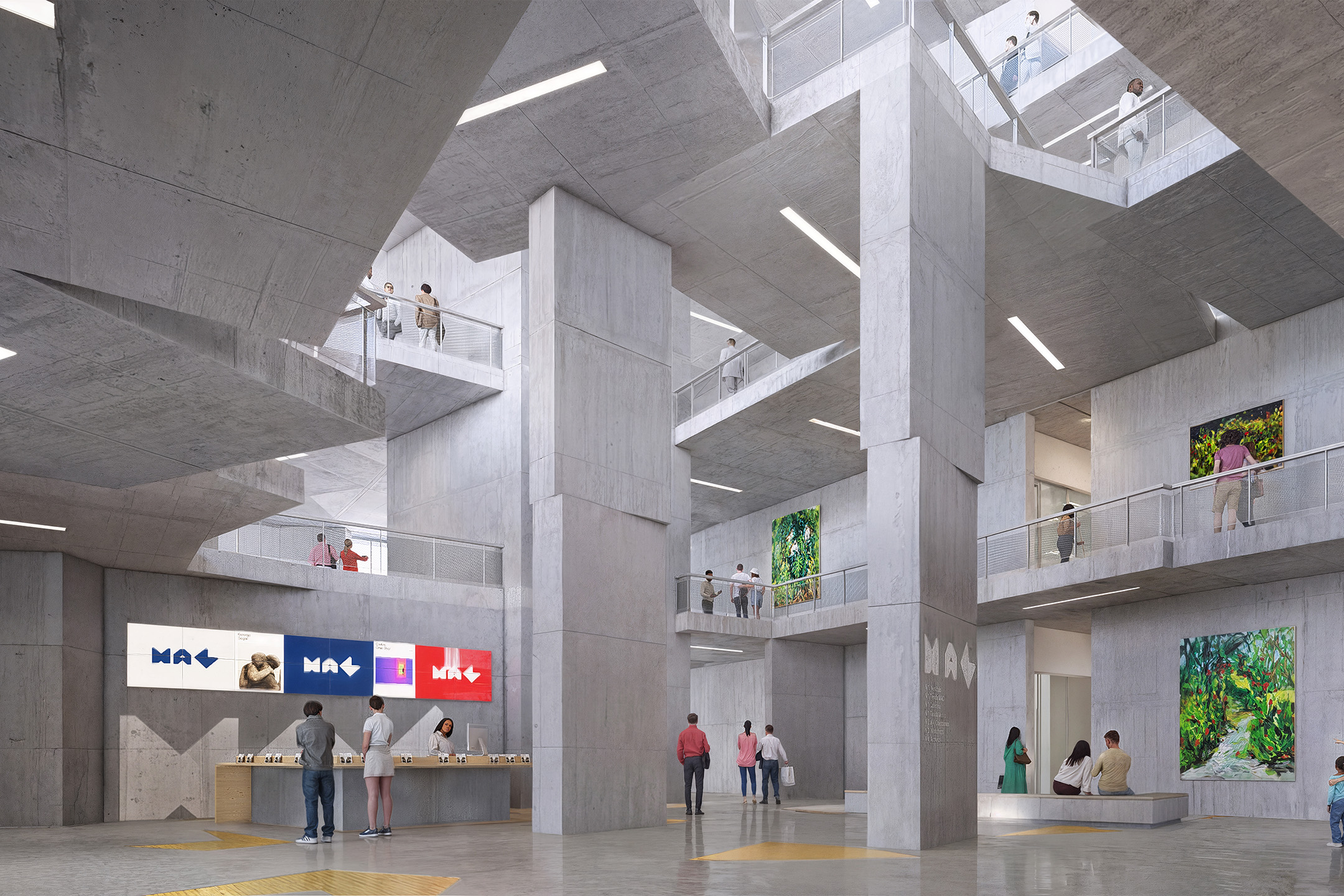
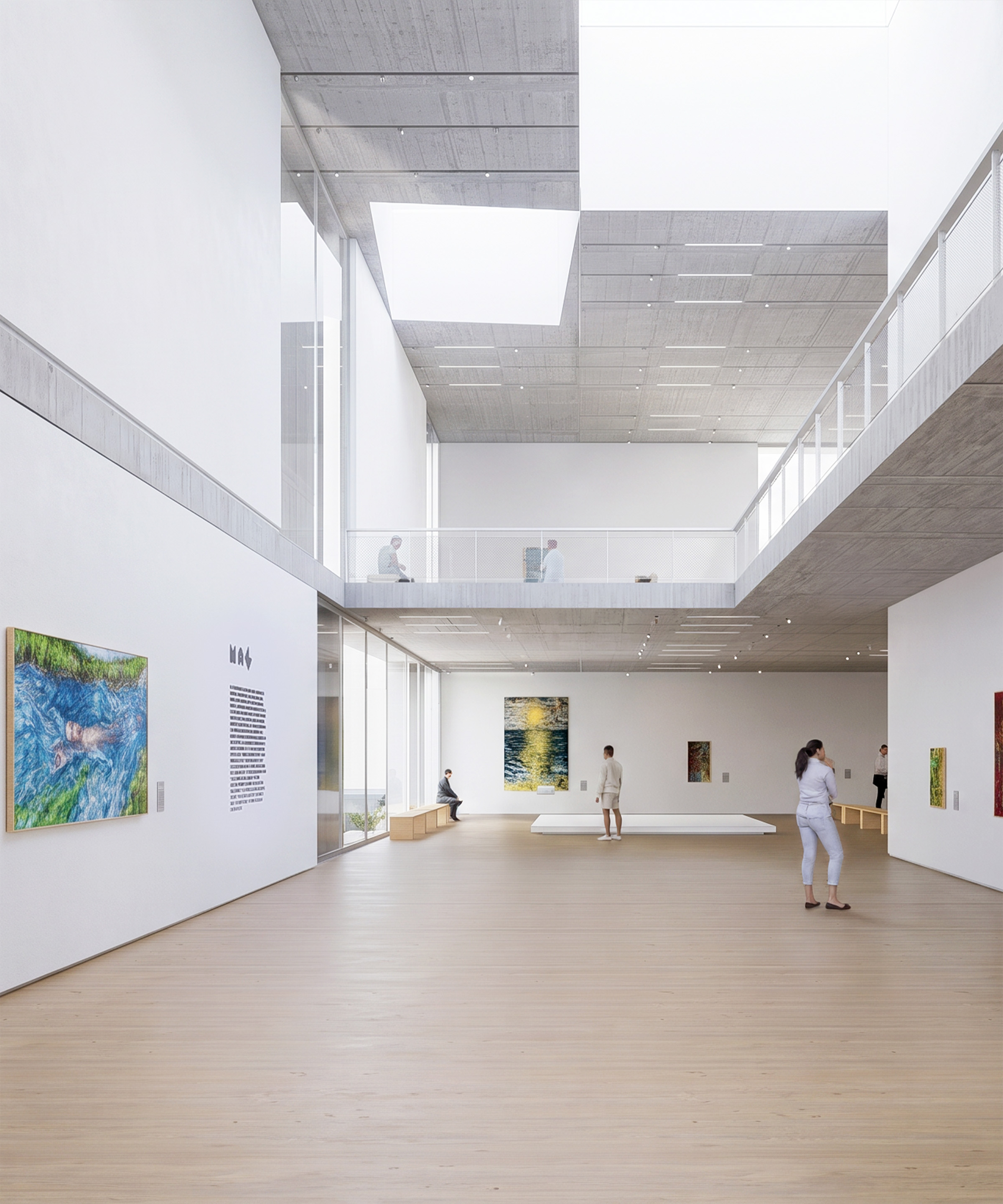
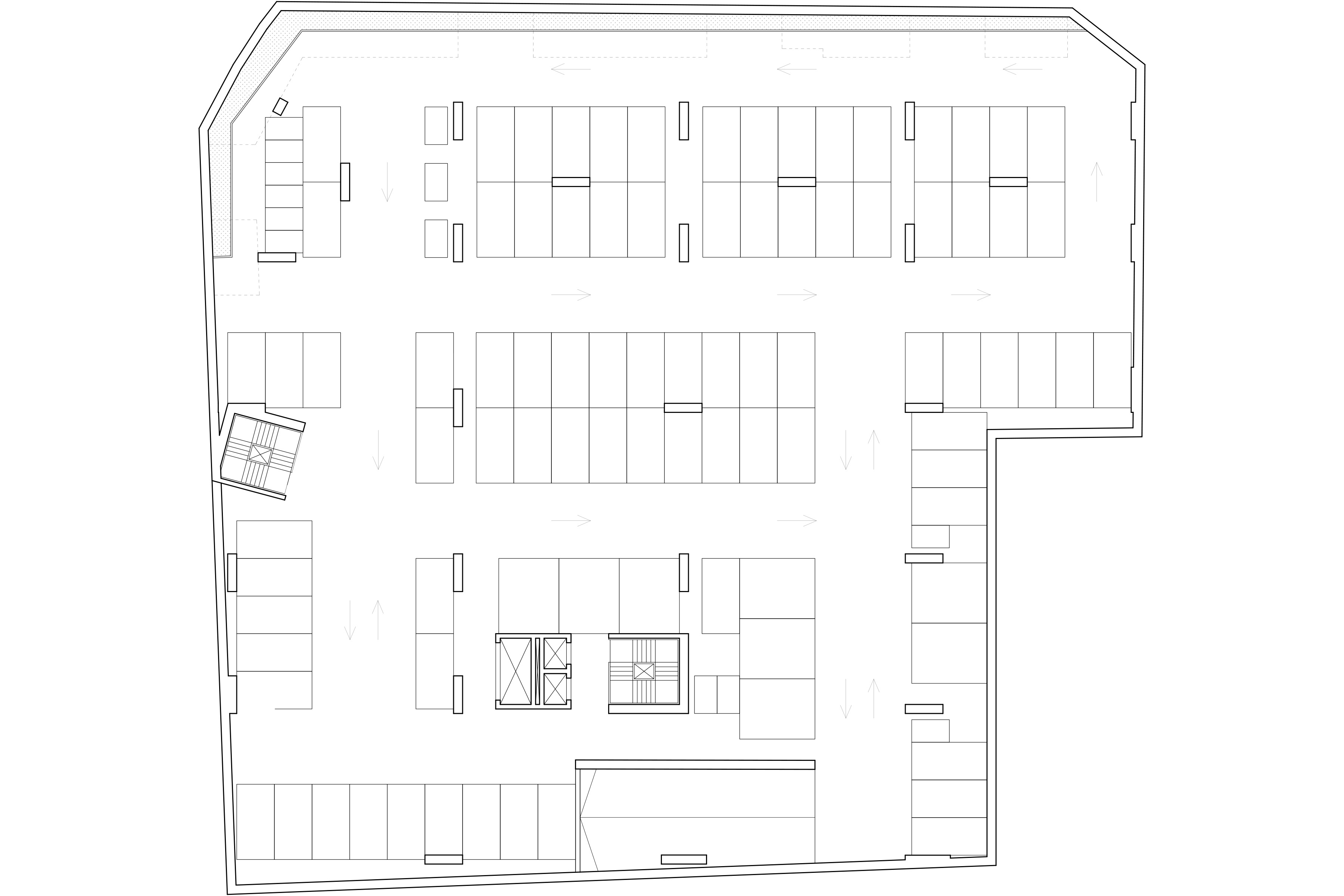
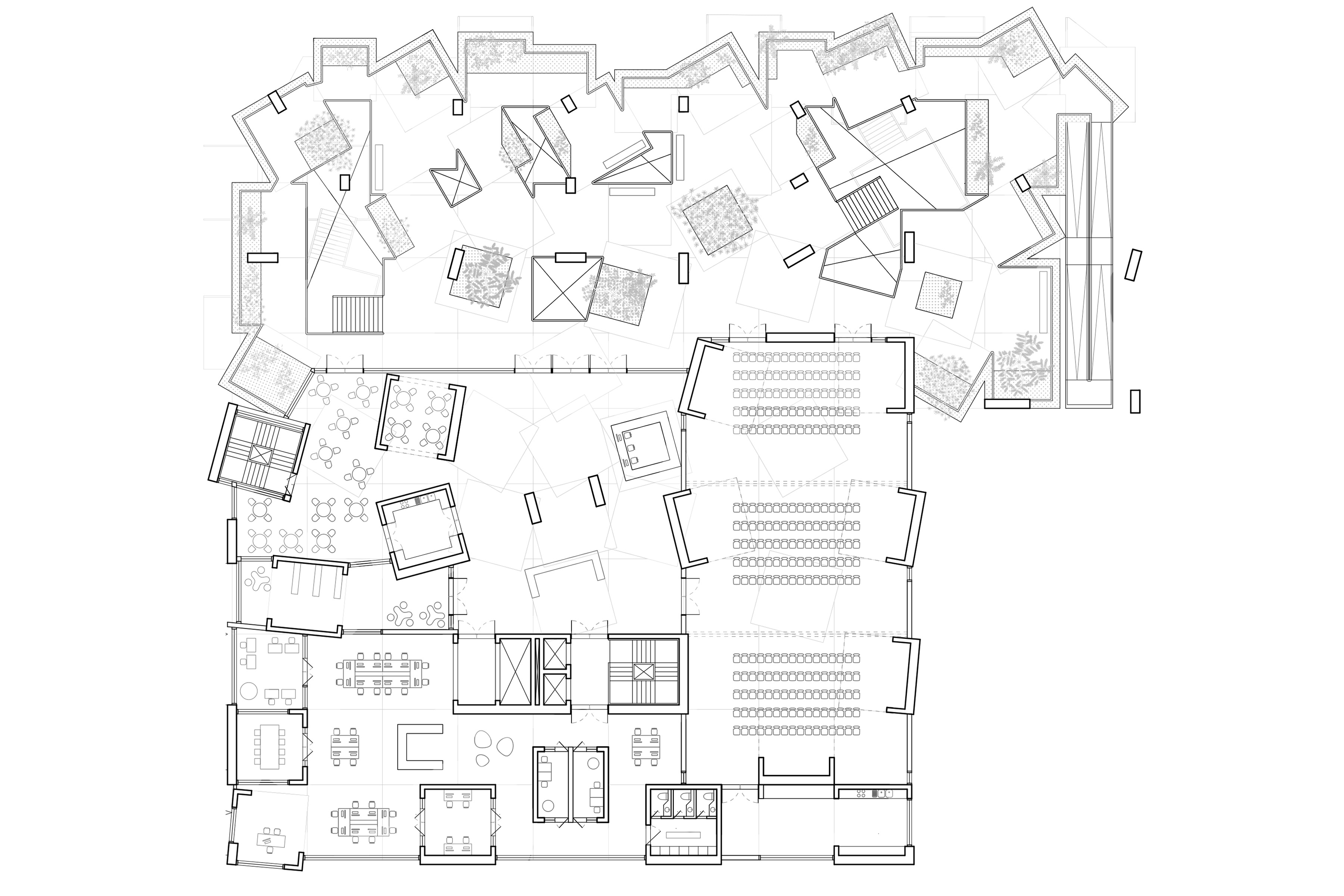
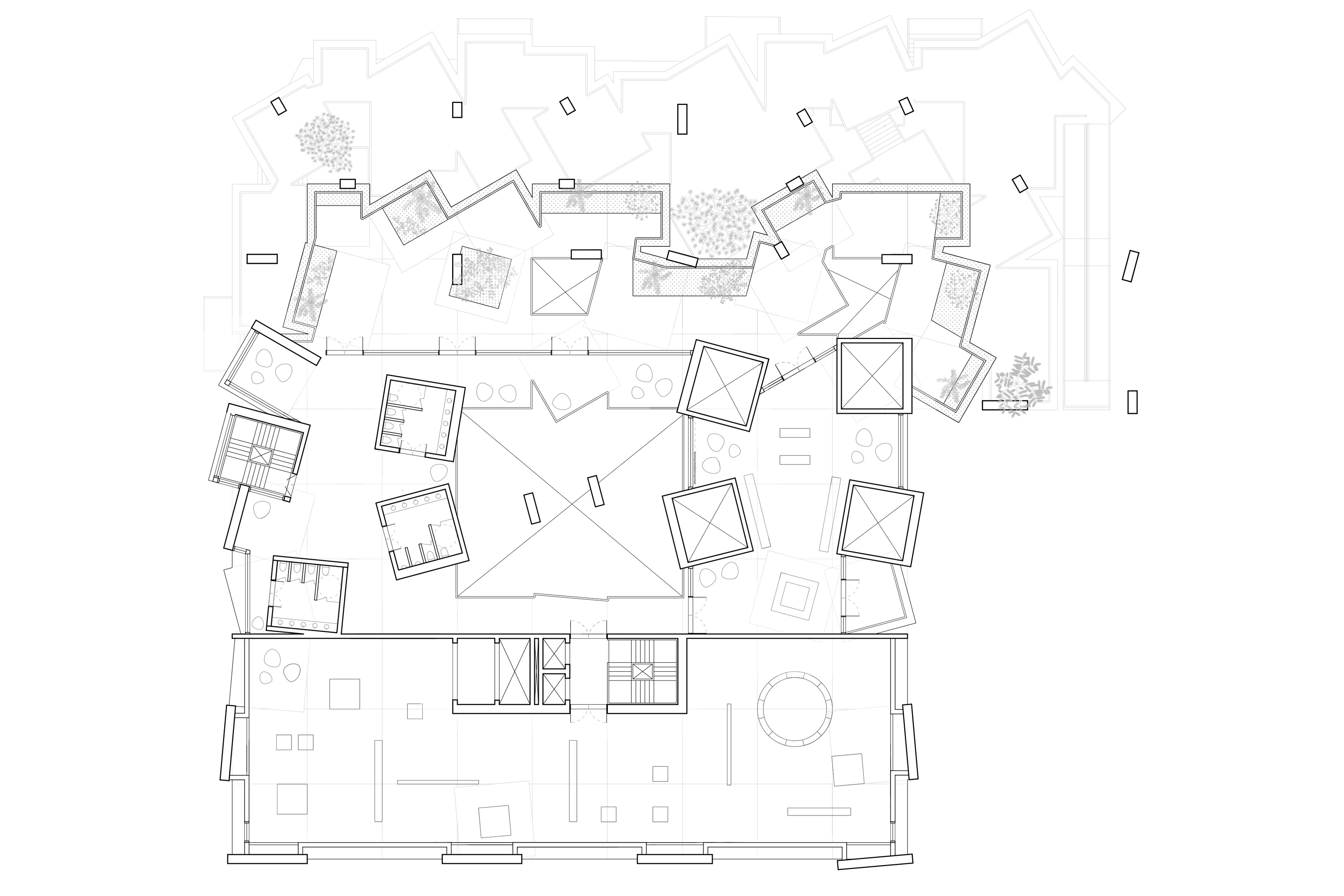
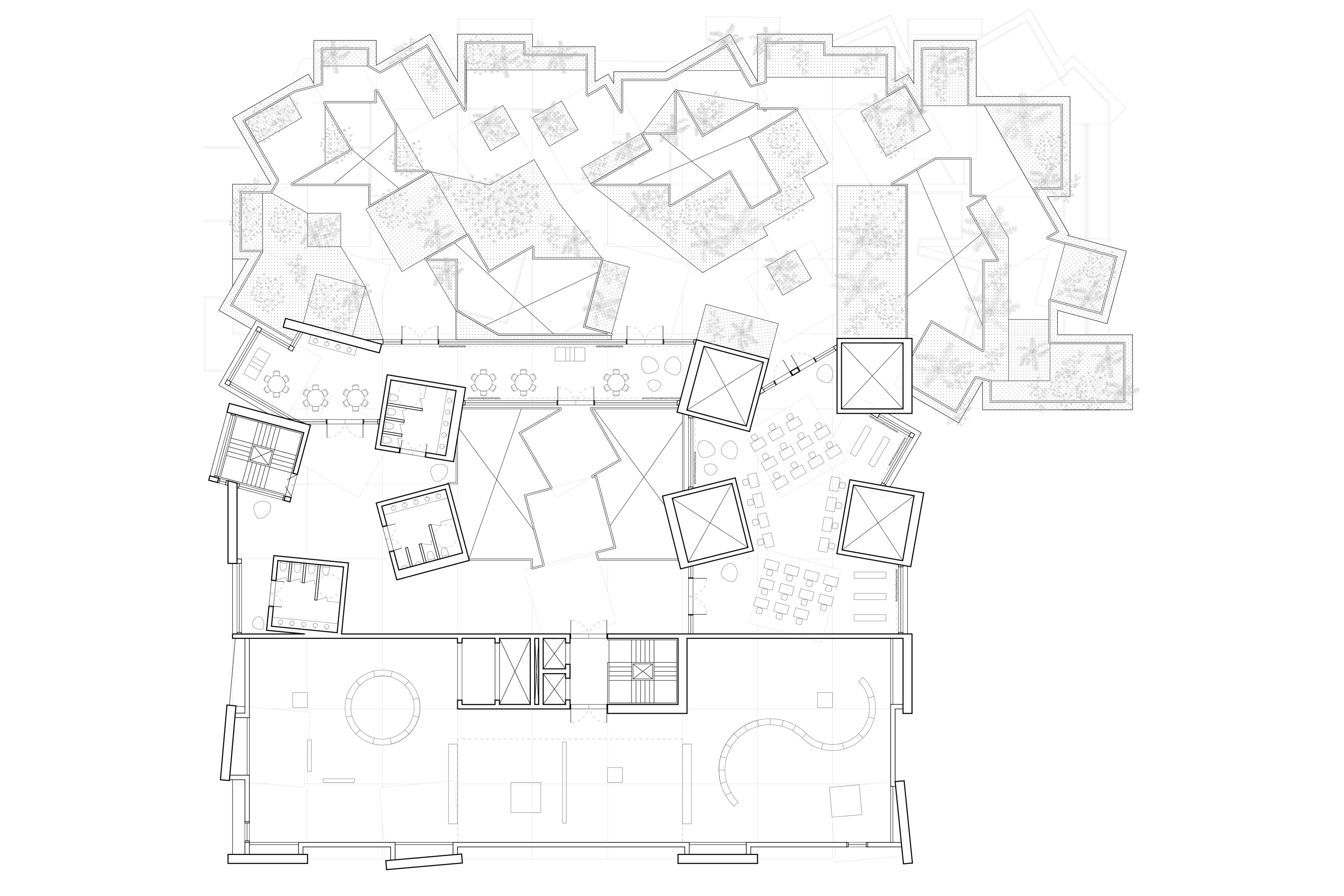
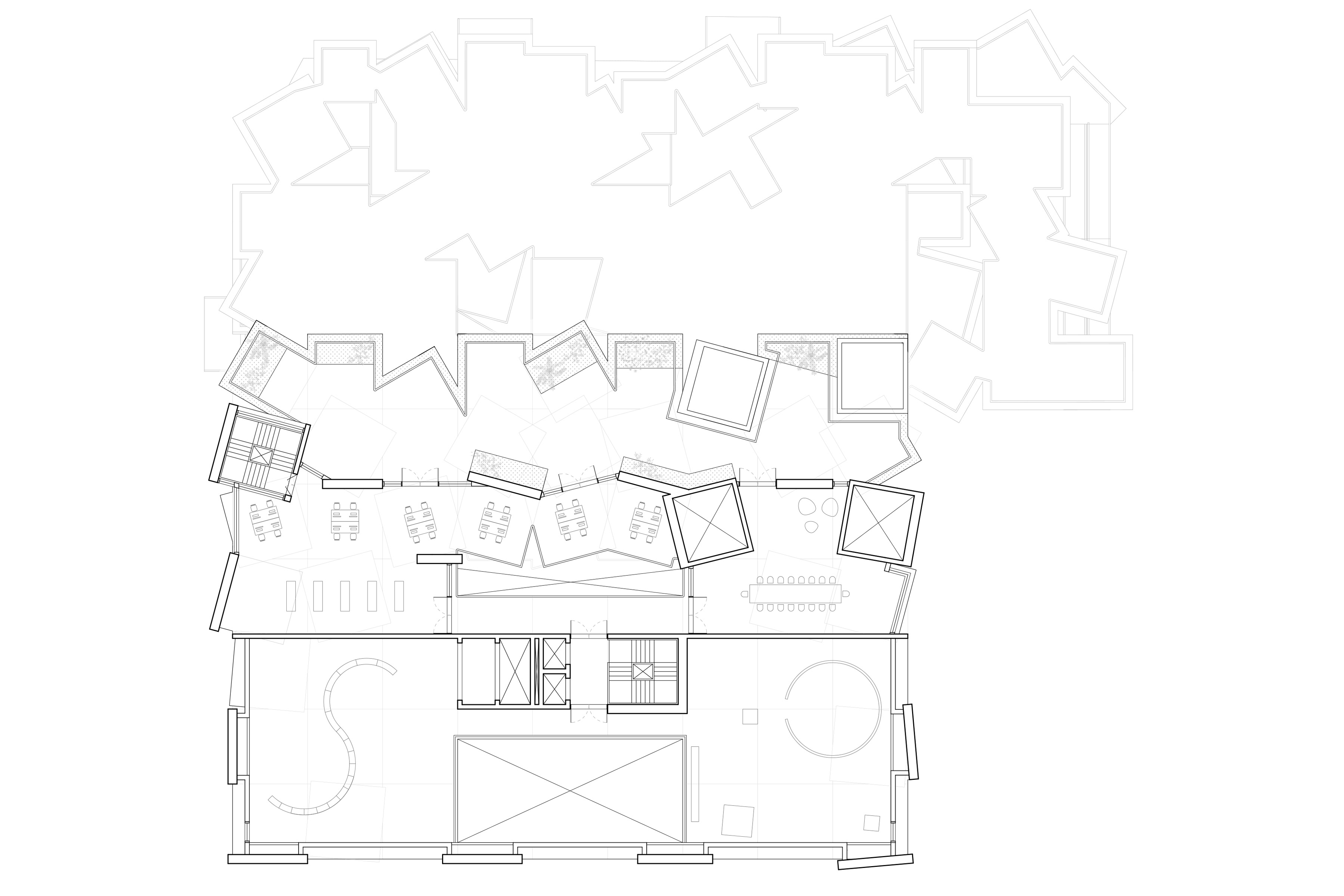
The core of the proposal is based on a structural gradient. The building's floor plan embodies the transition between organic growth and rational order through the progressive dissolution of a geometric grid. On the north façade, facing the exterior and the area with the highest traffic, the geometry is fragmented and the volumes are arranged in a disordered manner, generating permeability through a porous system that invites pedestrians. It echoes the lightweight and somewhat chaotic, albeit beautiful, organic organization of the informal city. This fragmentation is gradually ordered and organized as the building progresses toward the galleries, where the demand for generic orthogonal spaces for artworks and administration are demanded. This morphological gradient is a direct translation of the program: the areas of geometric disintegration accommodate public life and gatherings, while the strict grid contains the functions that demand spatial rigor and institutional security.
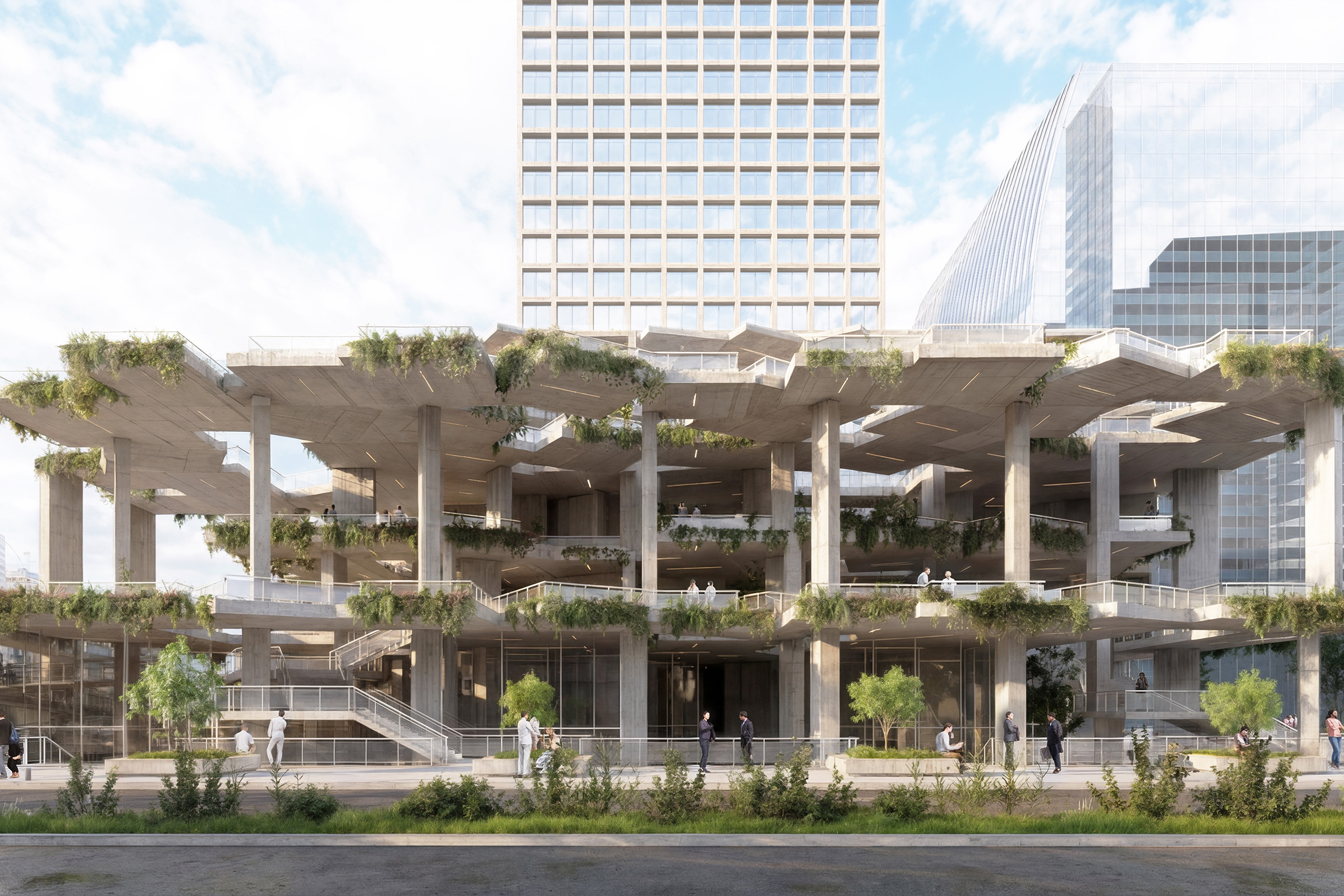
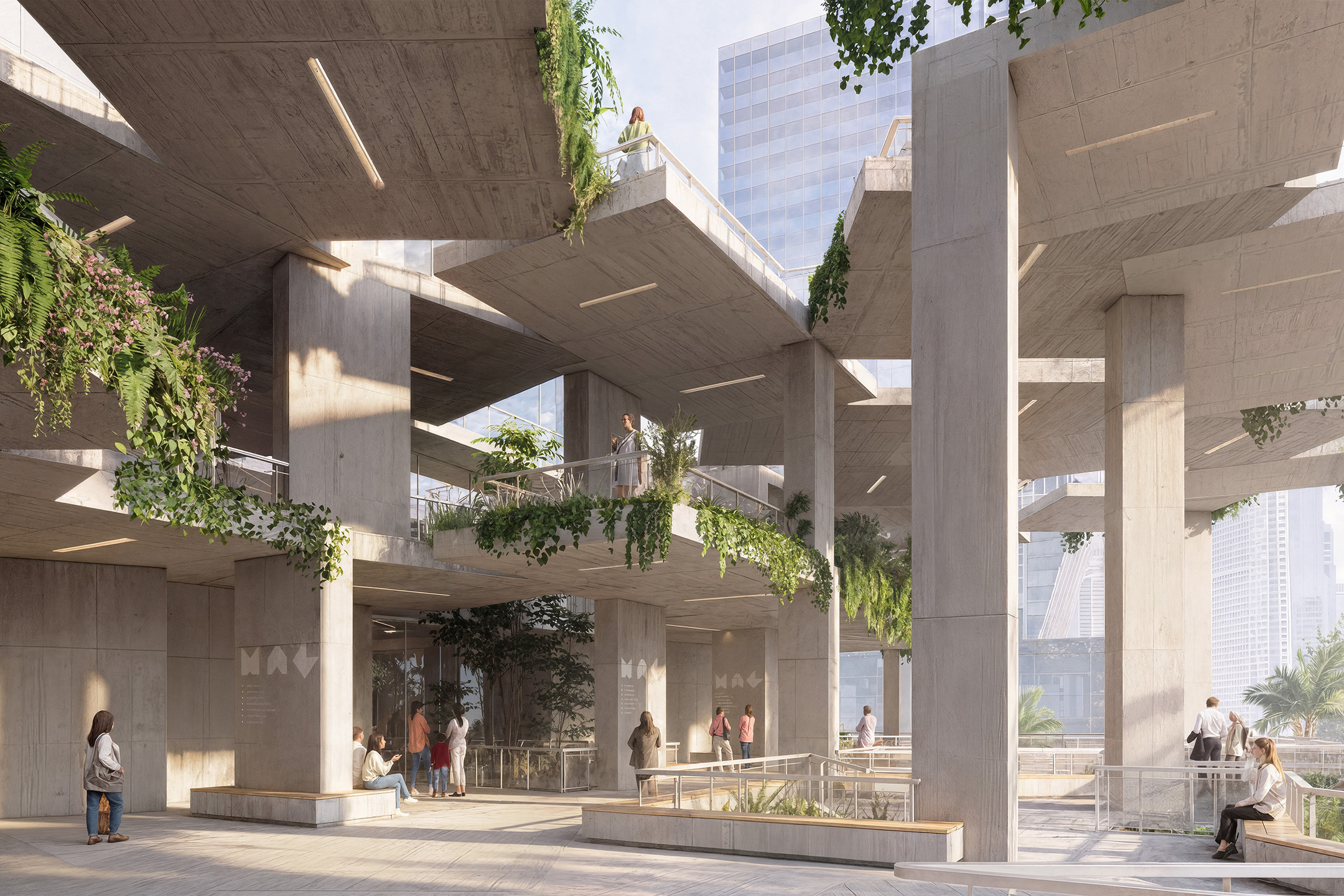
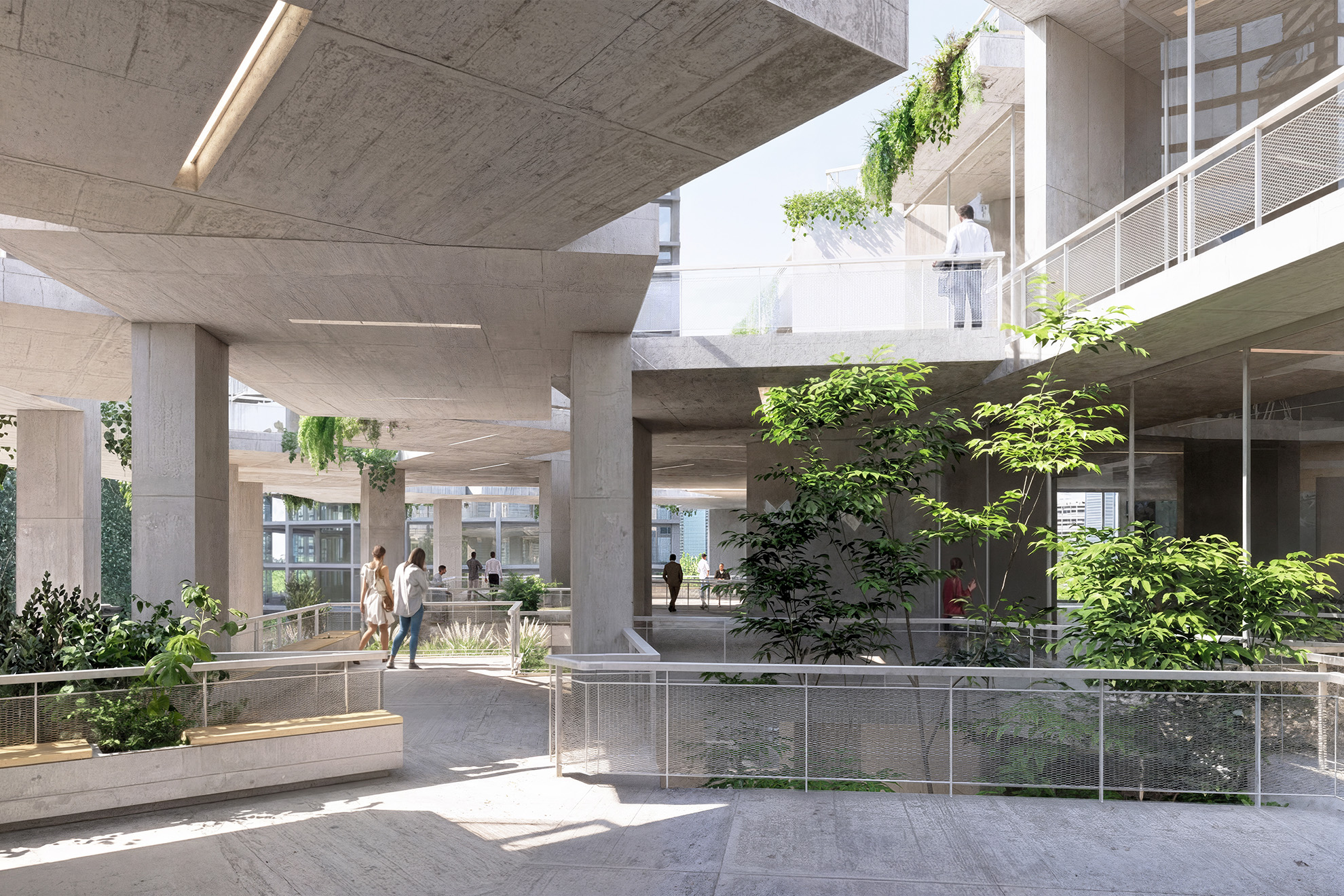
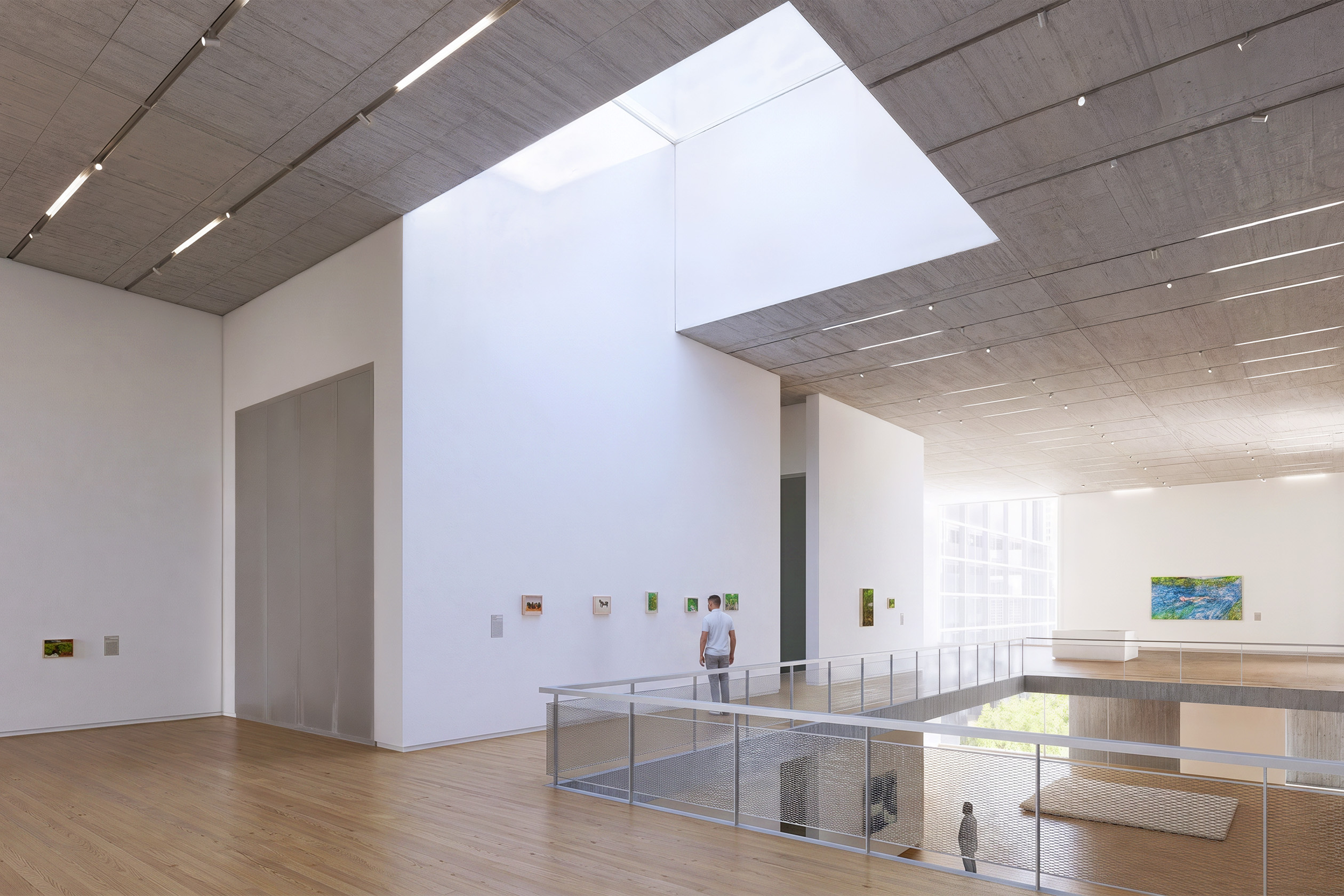
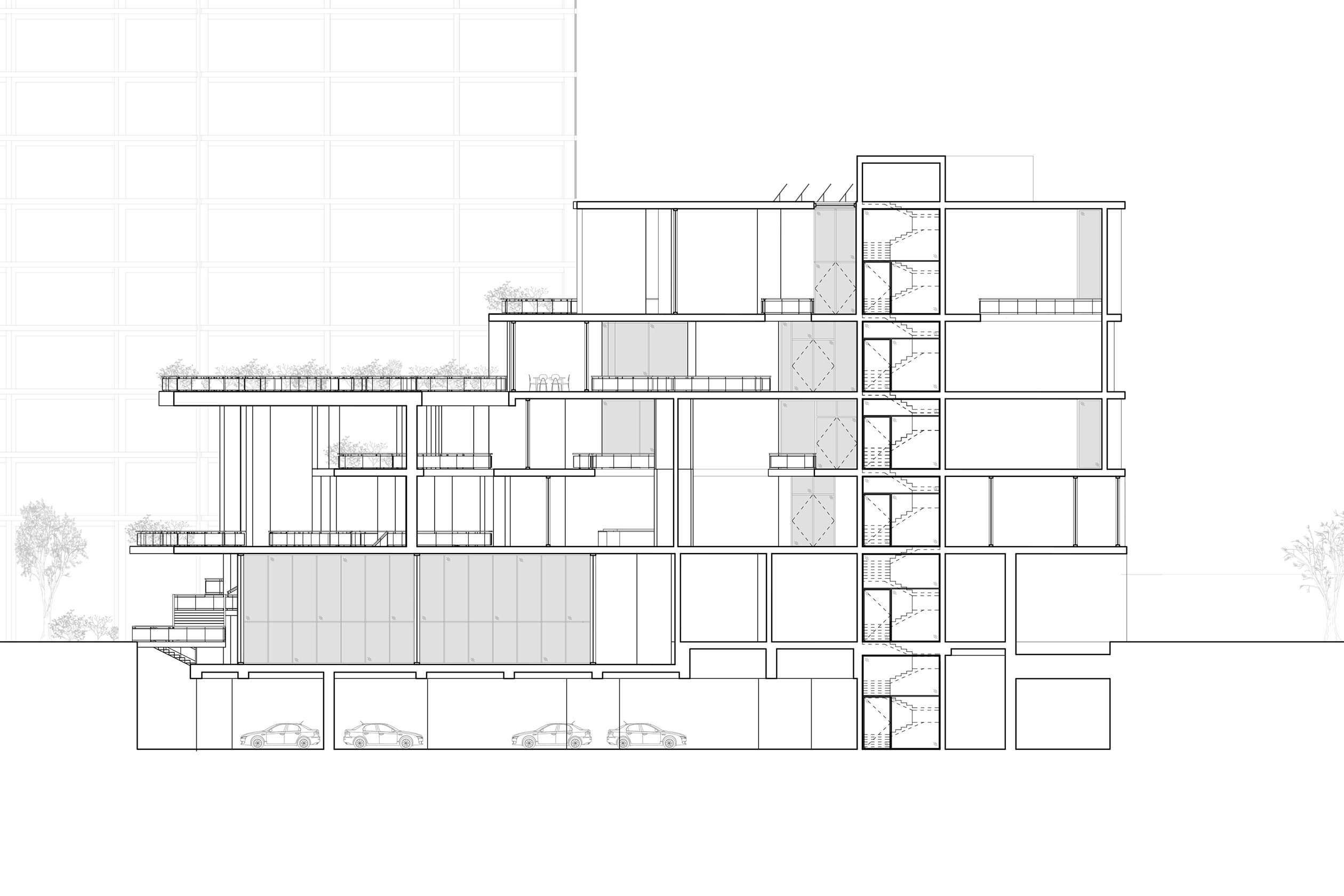
In a city dominated by automobiles and lacking public space, the project's north façade is proposed as a large civic canopy. Reclaiming the roof's primary function as a protective and unifying element, this imposing, monumental threshold stands as a new meeting place for Panamanians; a refuge beneath which urban life unfolds and breathes. The building's integration with the city invites a multisensory and democratic experience from street level, avoiding the abrupt confrontation with a hermetic facade. This ascending journey culminates in the project's large public terraces, conceived as contemporary reinterpretations of the traditional balconies of the Old Town. These interstitial spaces, surrounded by vegetation and enveloped by double and triple heights offer unprecedented views of the city and serve as a majestic prelude to the exhibitions.
The proposal, although seemingly complex, is based on a conventional structural system of reinforced concrete walls and beams. The structure is organized around a regular grid of vertical load-bearing axes. The load-bearing elements follow the orientation of the scattered grid and thus have an appearance of randomness, but each wall shares a vertical axis with the walls above and below, creating a network of walls that meanders vertically and act as simple columns attached to shear walls. It is a lattice of structural a-symmetry used to mask an otherwise repetitive grid.