Projects
OFFICE
IDEAS
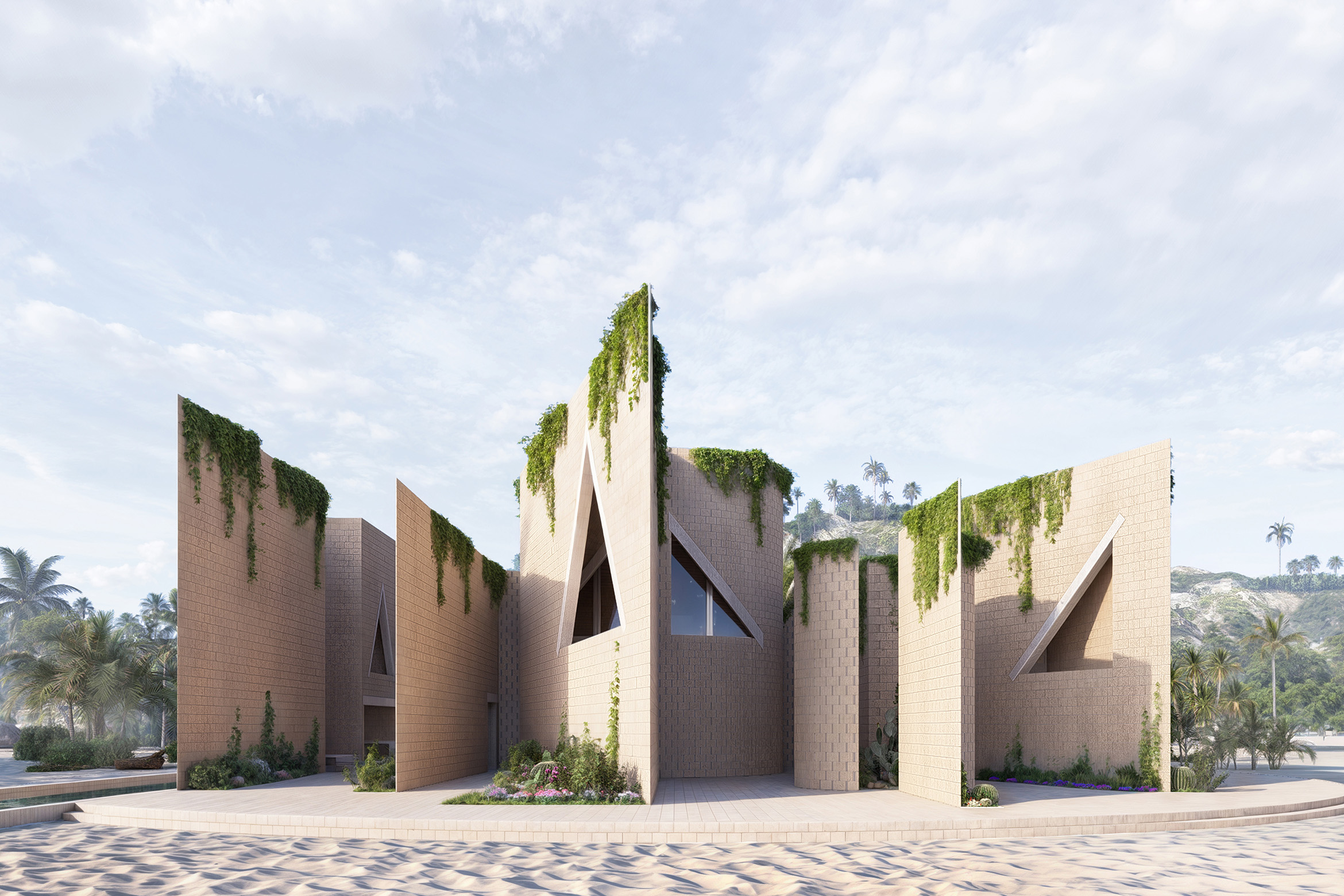
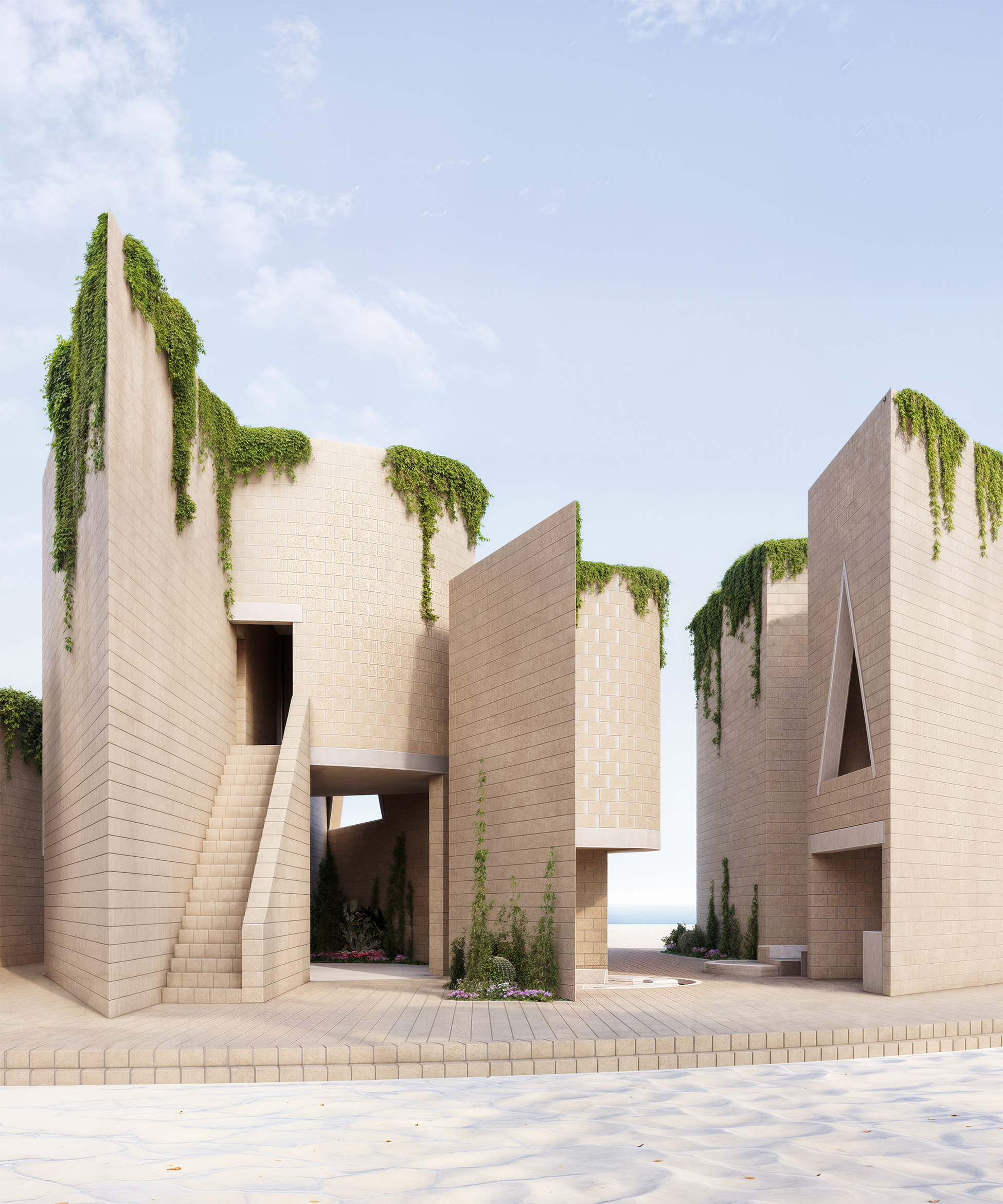
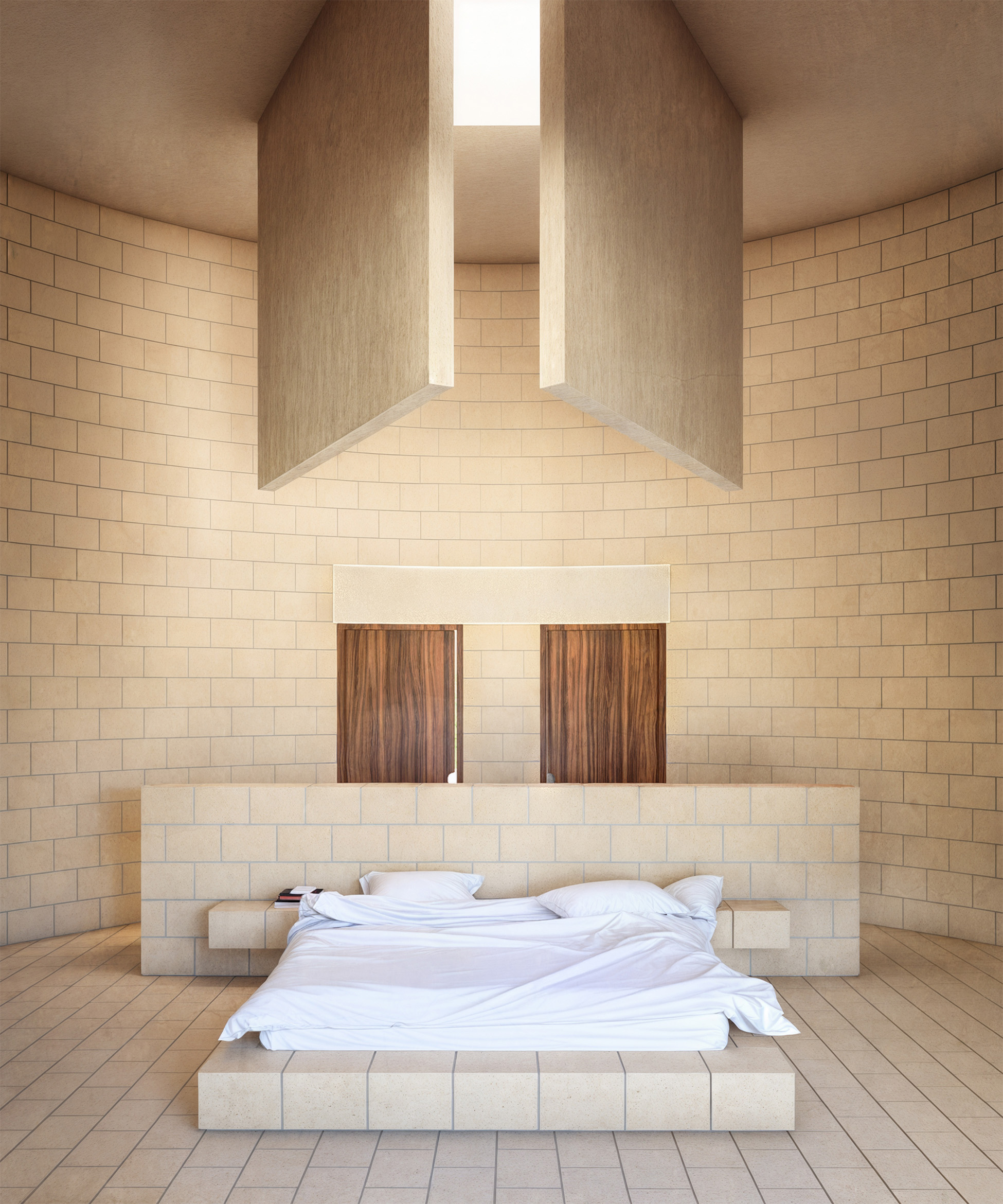
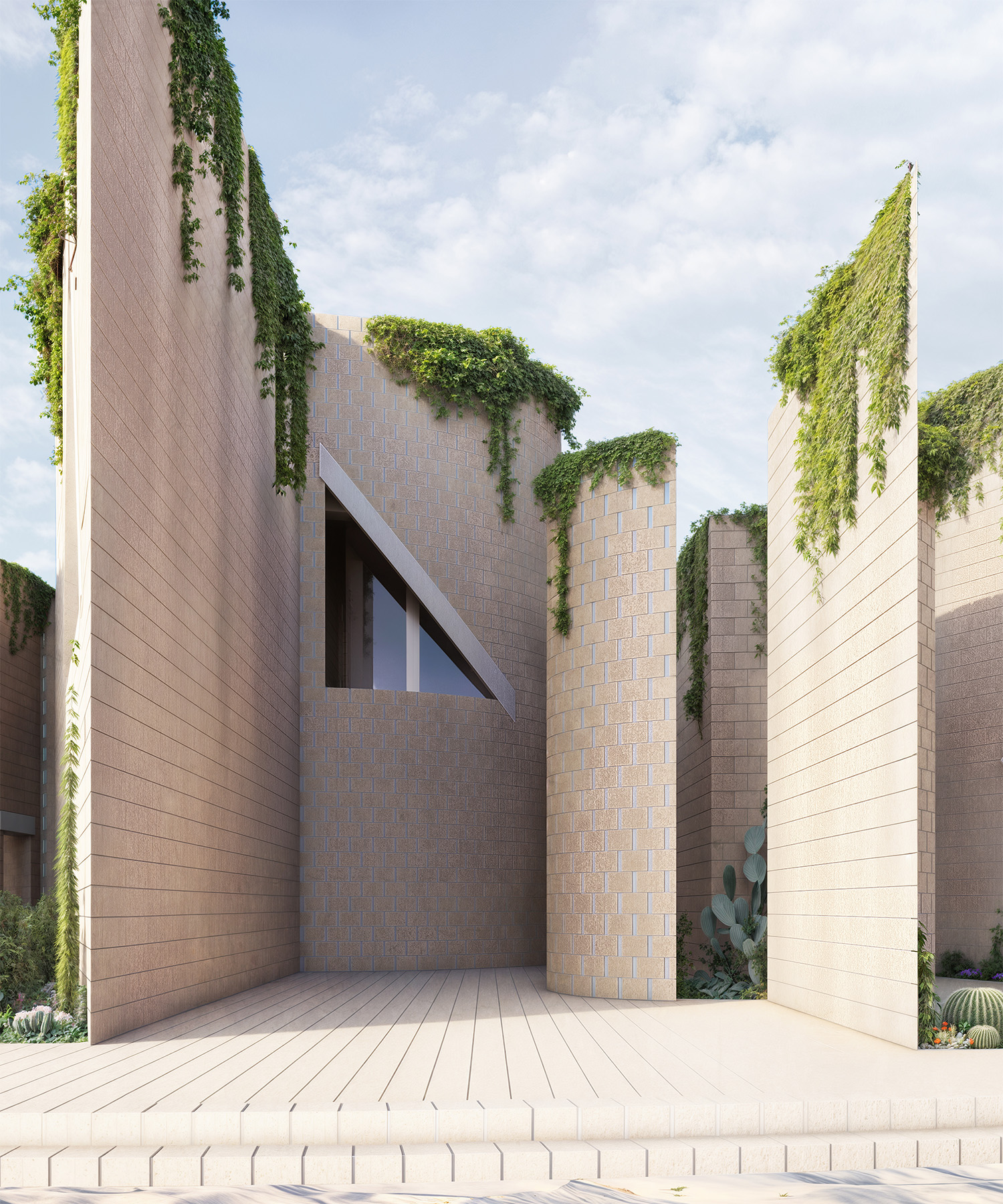
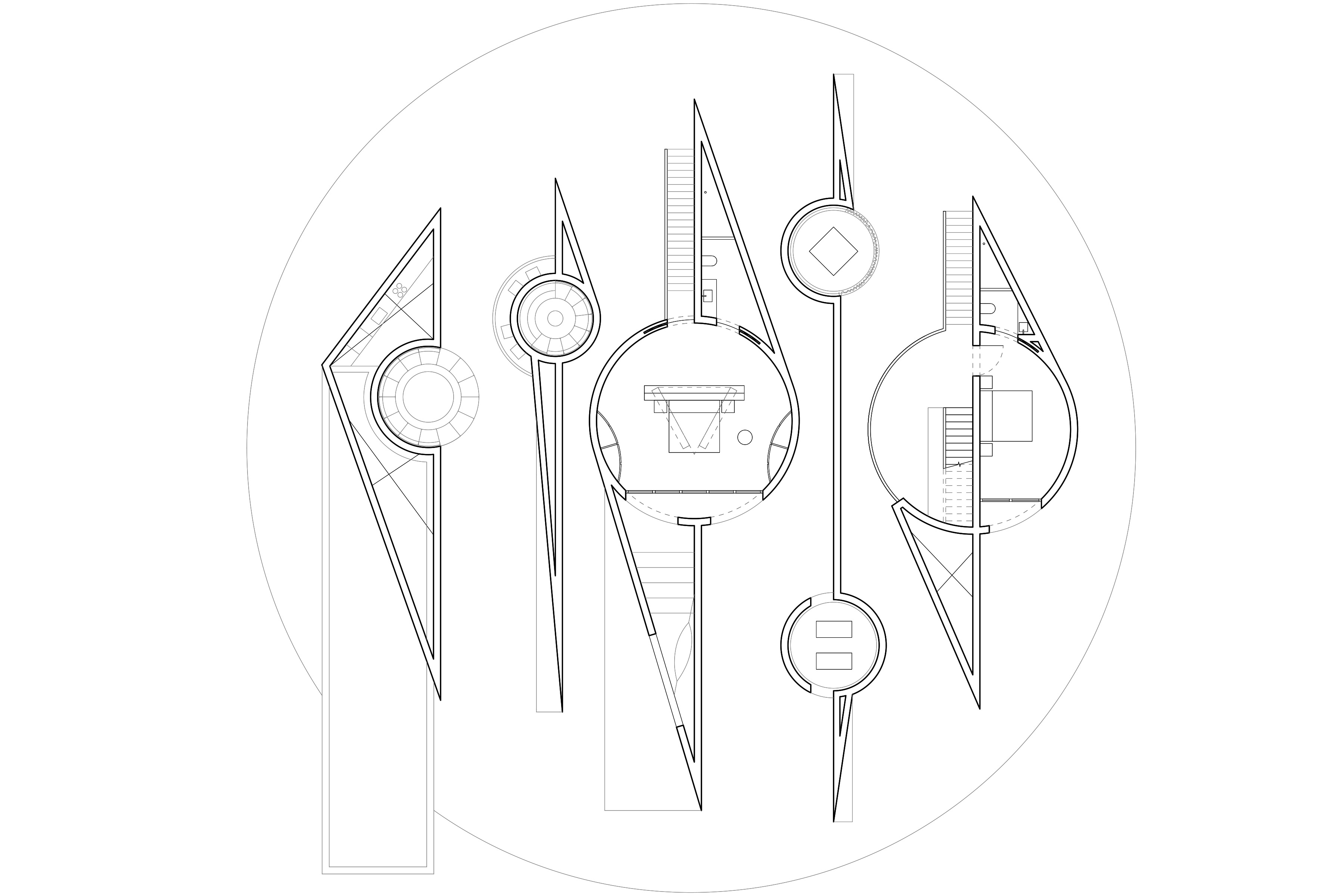
The contemporary beach house typically falls into one of three categories, a modernist monstrosity that neglects its context, a cozy bungalow type that approximates luxury camping, or an absurd use of vernacular forms as a superficial means of finding contextuality. Casa Ruina by contrast is an attempt to adopt varying local vernacular forms and broader Mexican formal gestures and combine them into a house that at first glance feels more like ruin than house. It neither tries to blend in nor does it reject its place. Looking to local circular communal palapa structures that create enclosure and community and combining those with a familiar stacked masonry architecture of Mexican wall architecture, it becomes a landmark on the beach, a familiar form in feeling, yet unrecognizably house or sculpture, public space or private enclave. In the blurring of these boundaries the house invites a broad spectrum of activities and visitors to inhabit its walls.
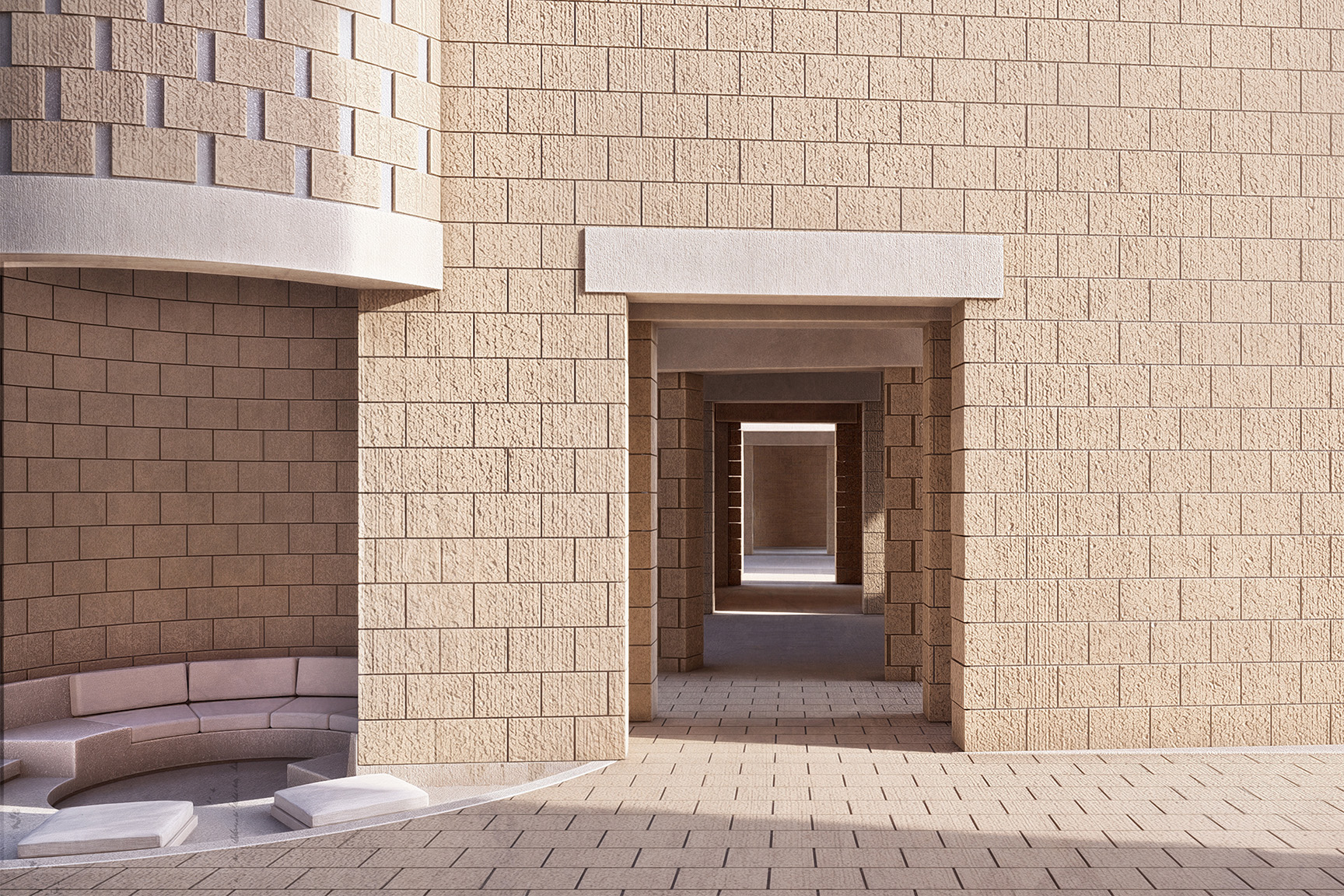
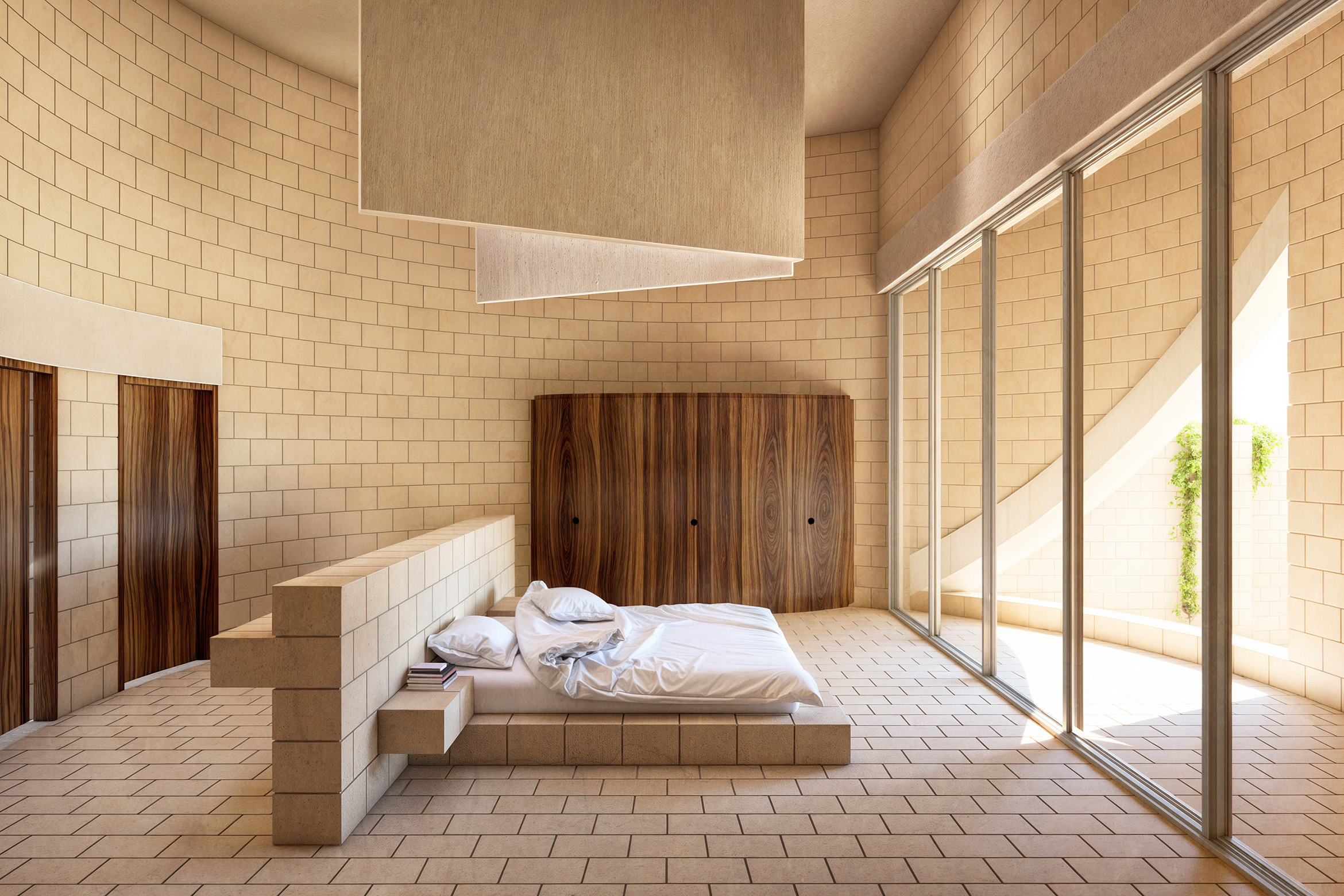
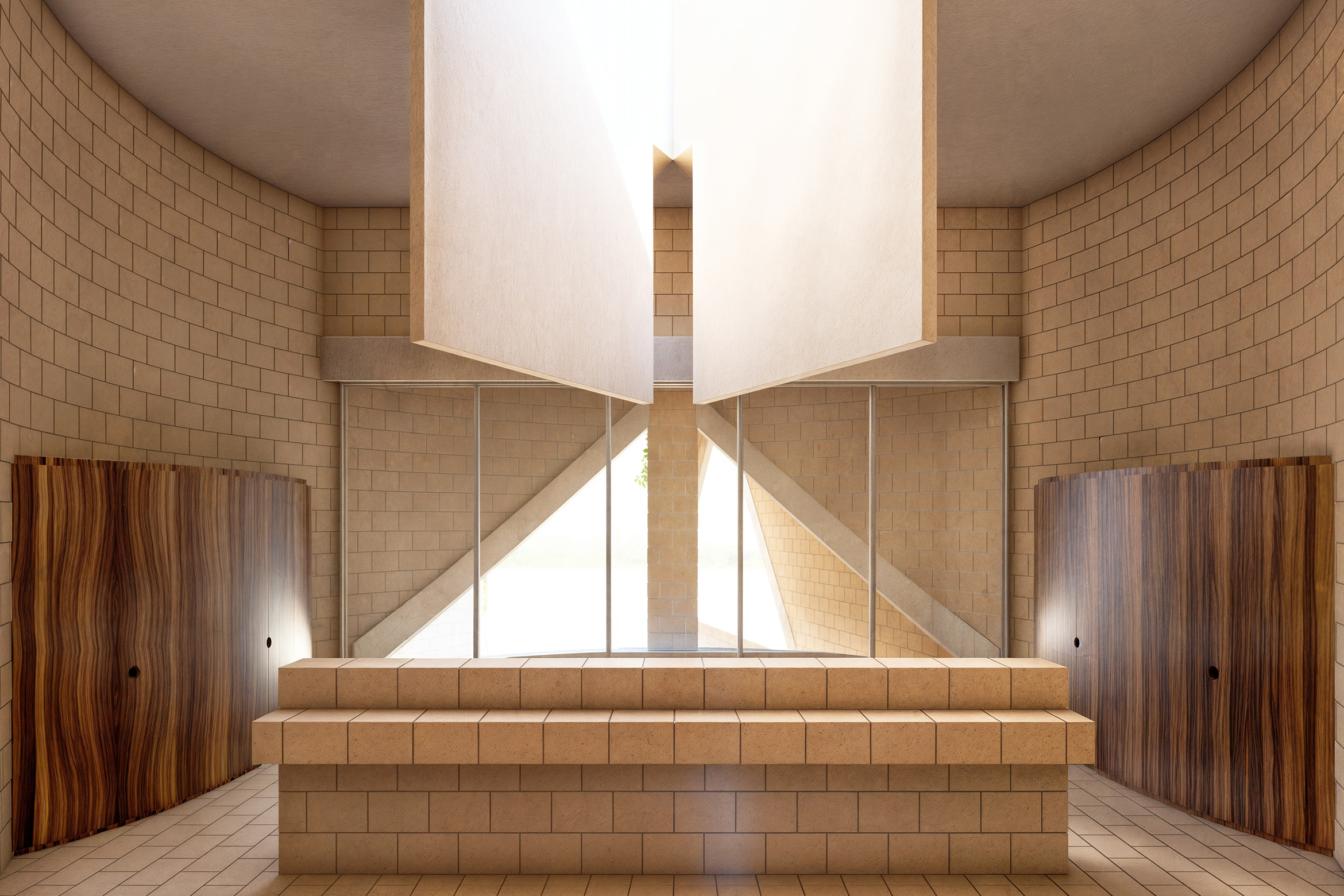
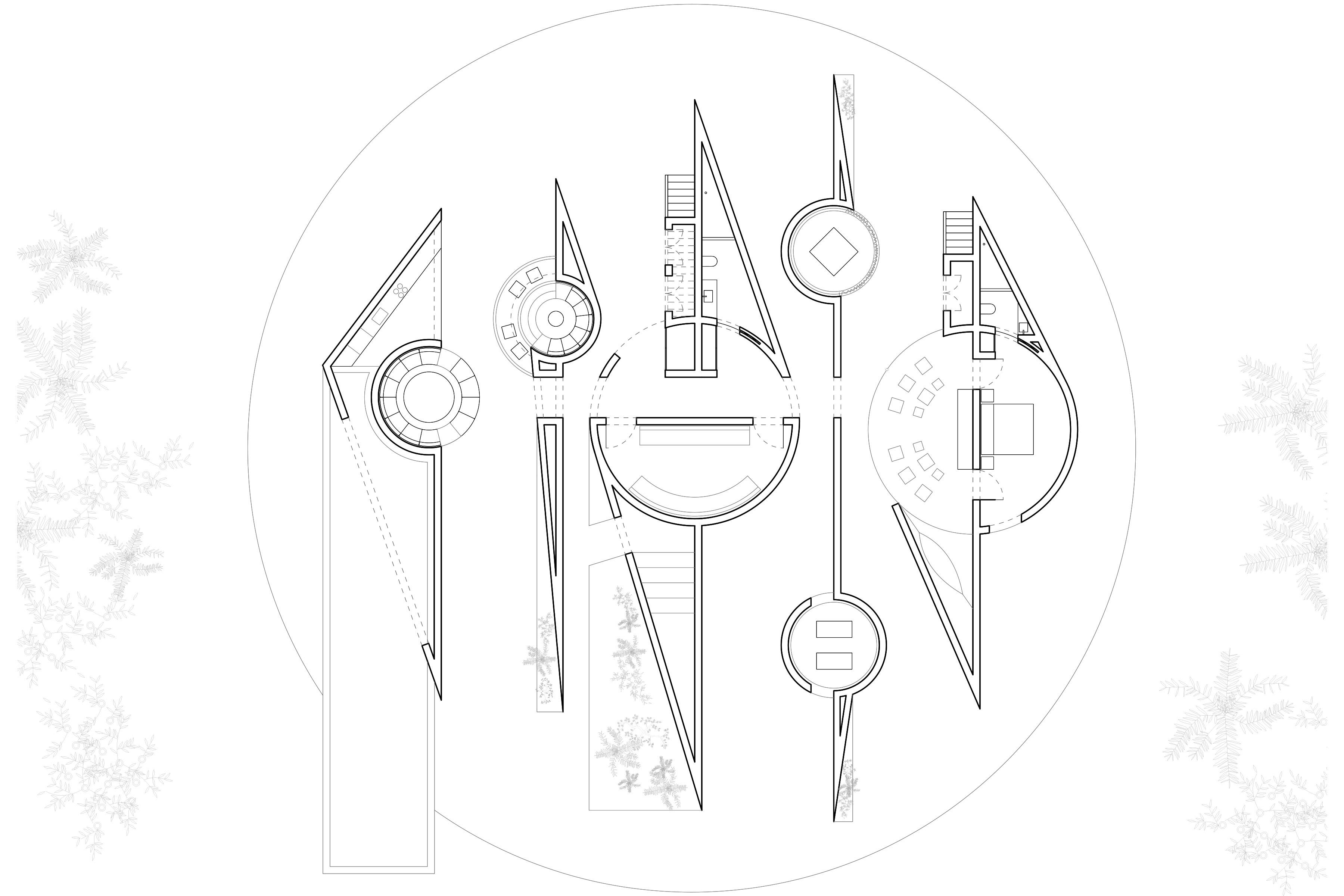
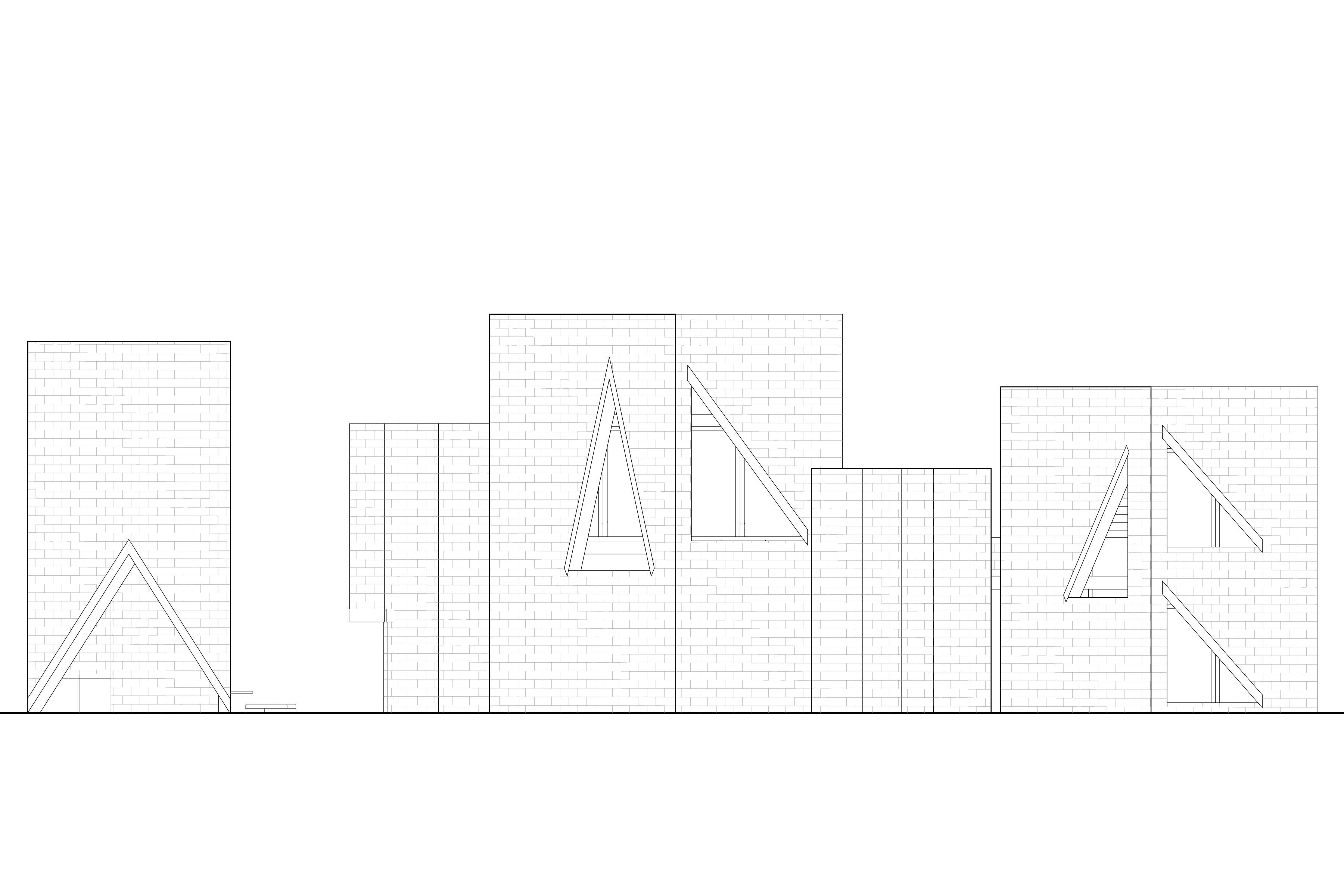
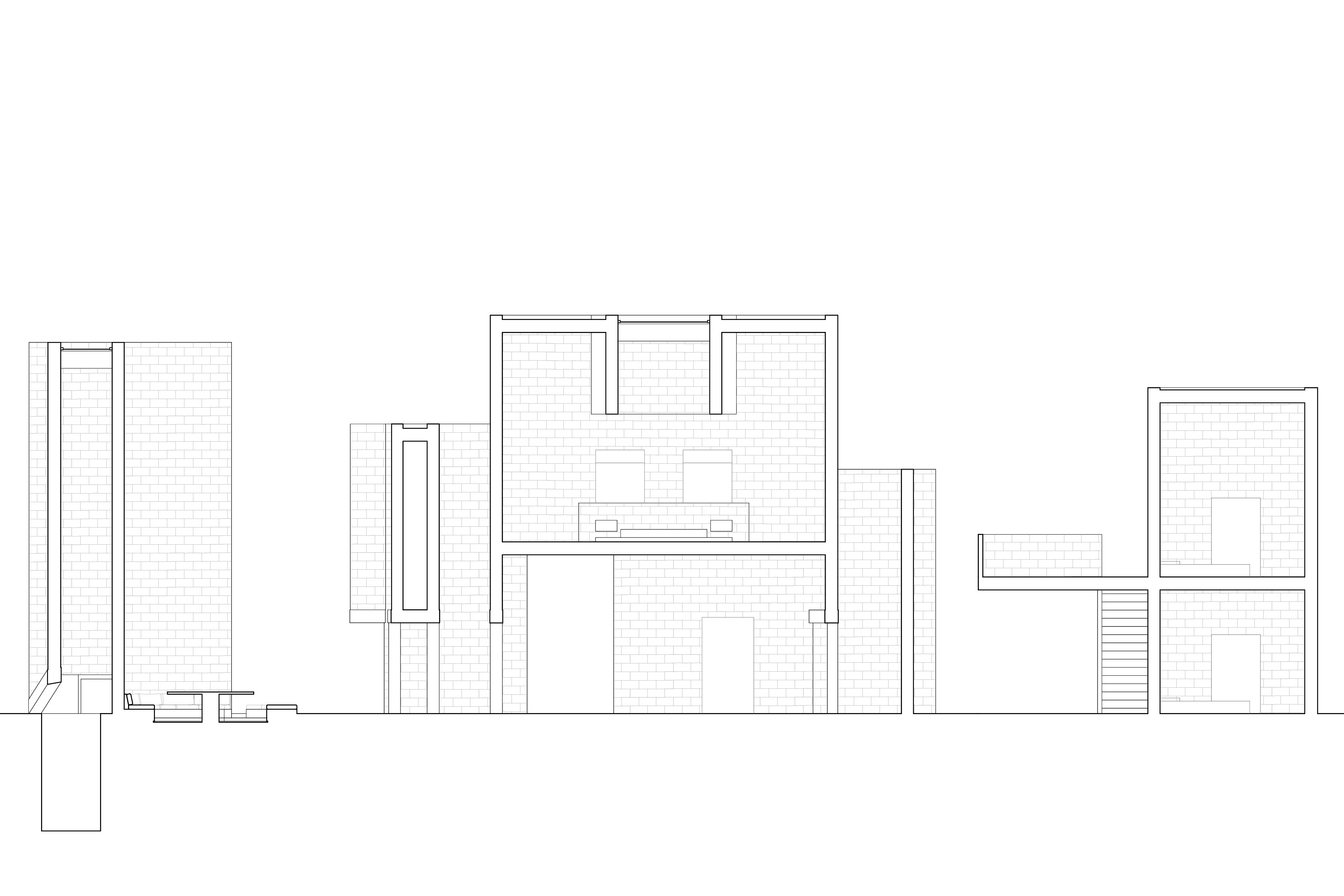
The primary constraint of the house was to create spatial complexity and diversity for the programmatic elements out of simple wall extrusions, constructed in brick that is a mixture of local clay and sand. These stacked tectonic walls work in tandem with a lightweight concrete skeleton to form a variety of rooms, from living and dining to meditation and yoga, sleeping and relaxing, viewing and social gathering. The angles of the walls work to direct the winds of the beach in particular ways to enhance in certain areas and block from others, depending on these functions and the desired microclimate in this hot and humid environment.
In the act of defiance from the cliché, we end up creating a cliché worth propagating, to “think outside the box”. We mean this literally and of course metaphorically, rejecting the oppressive boxes that litter the jungles of these beaches, which could otherwise take on expressions that embrace history and attempt to bring a refreshing new way of existing in this place that has endured so many cultures and peoples. It is in this pursuit that we find a house no longer as just a house, but as a series of walls that approximate a house while remaining a ruin.