Projects
OFFICE
IDEAS
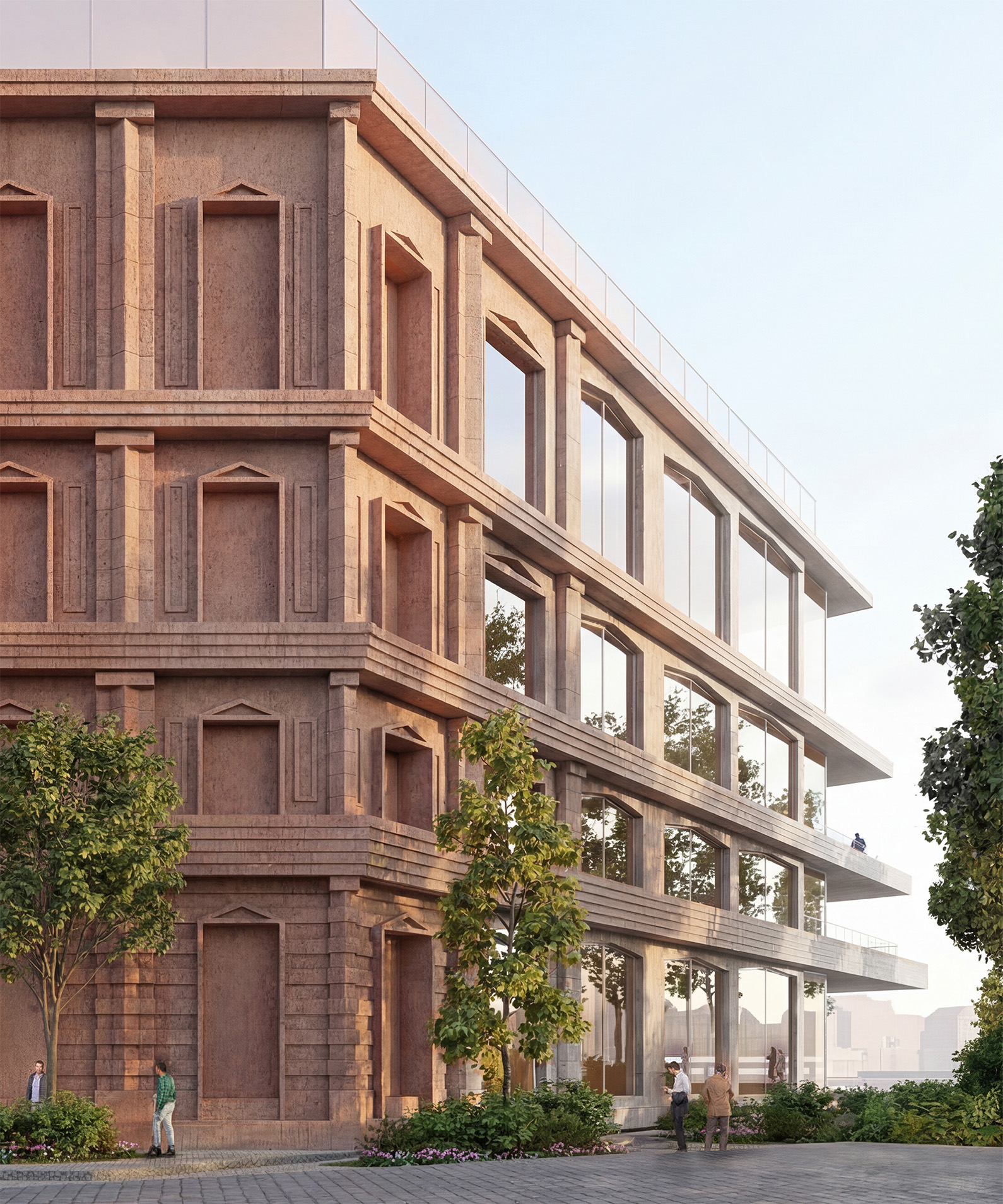
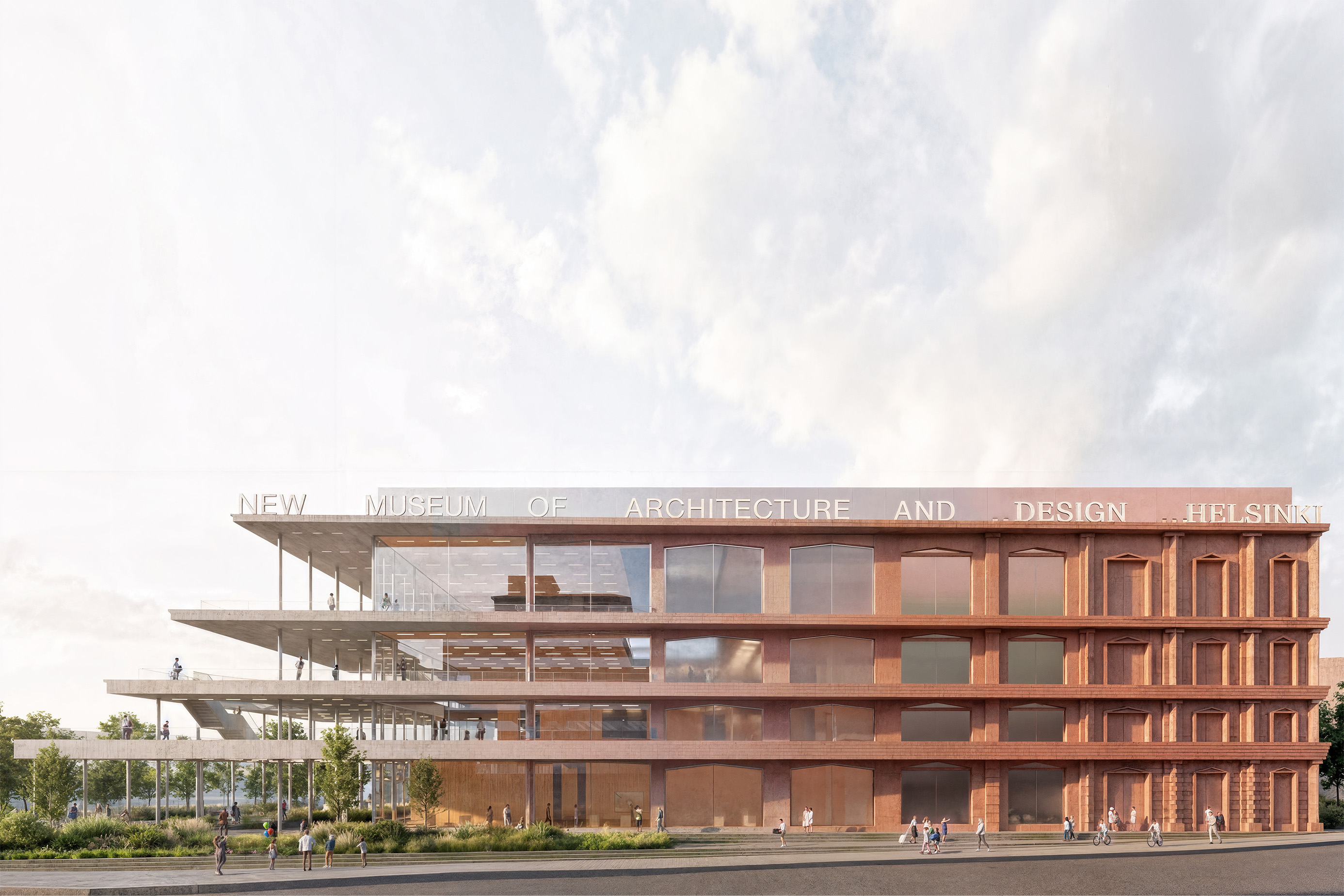
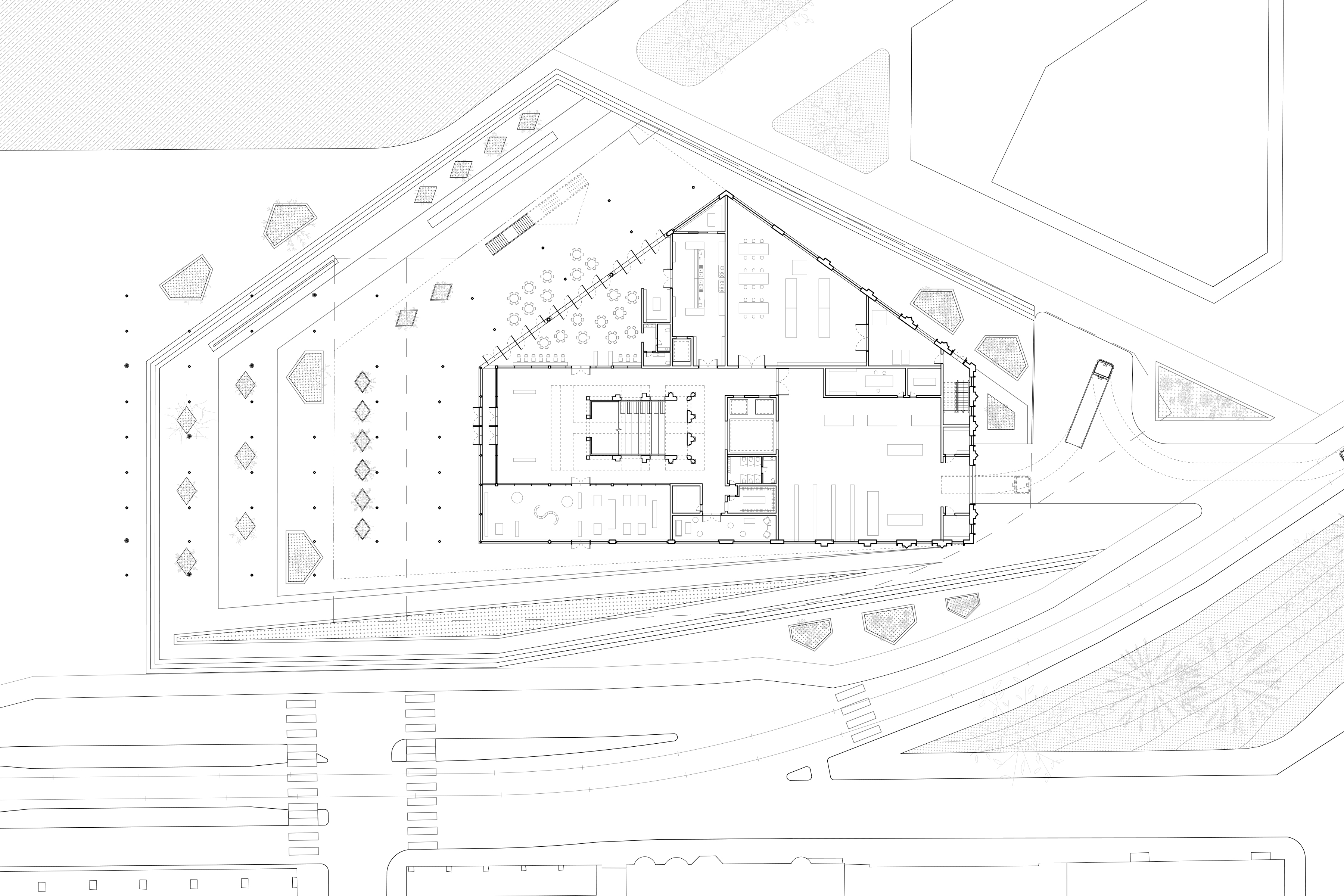
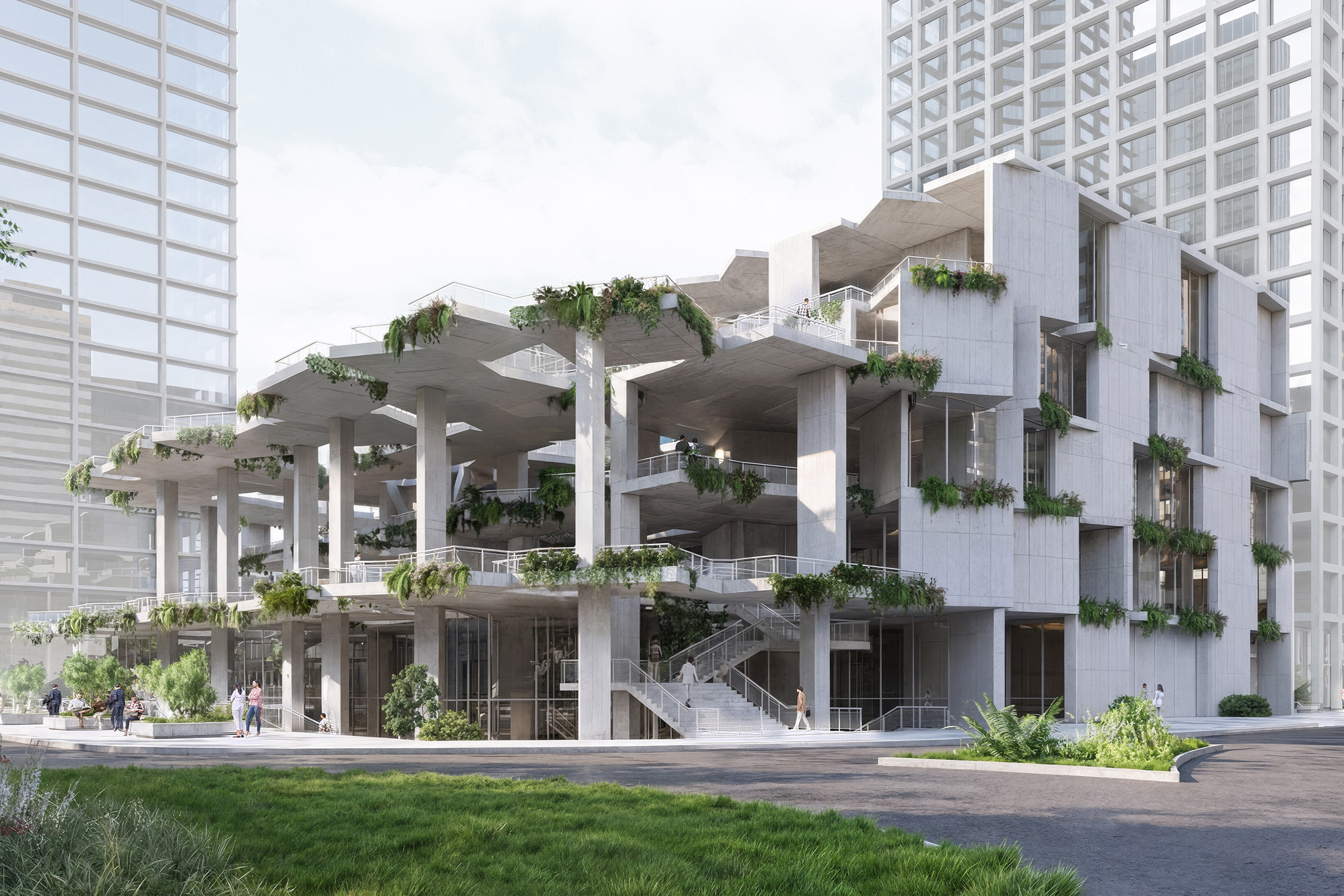
Helsinki is a unique city, where Neoclassical buildings encounter gridded Modernist planning. This intersection, where the old and new urban structures collide, creates the backdrop for the Makasiiniranta waterfront. This curious gradient of styles became a contextual puzzle for us to resolve. How to create a building that becomes an iconic part of Helsinki’s waterfront yet respects its Neoclassical and Modernist neighbors? Our proposal is a gradient of history- a neighbor institution- with an architectural identity that mirrors and blurs the various styles to become a symbol that is reminiscent of the city’s past and suggests an infinite extension to its future. It is a distinctive symbol of contextual layering, making new history for this institution.
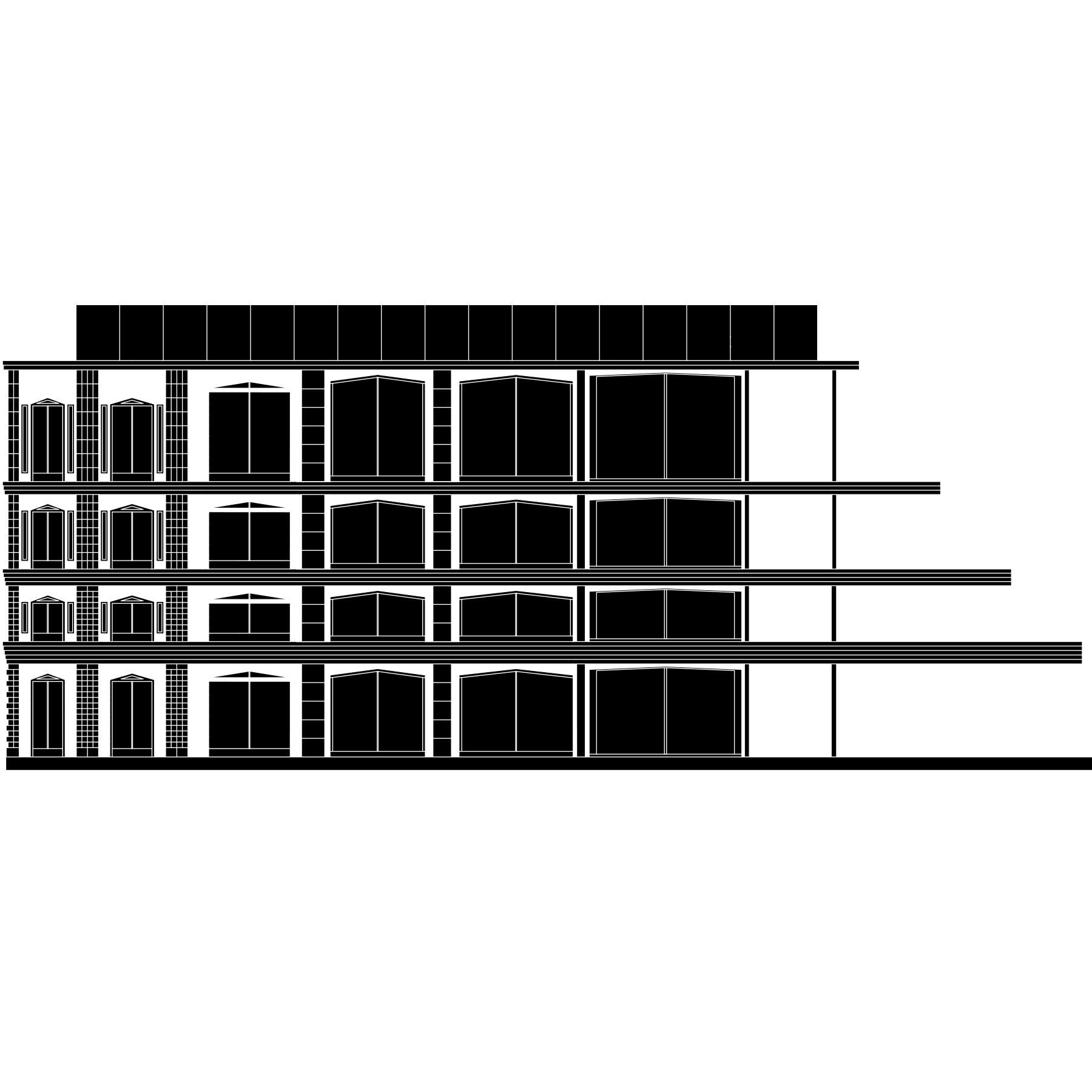
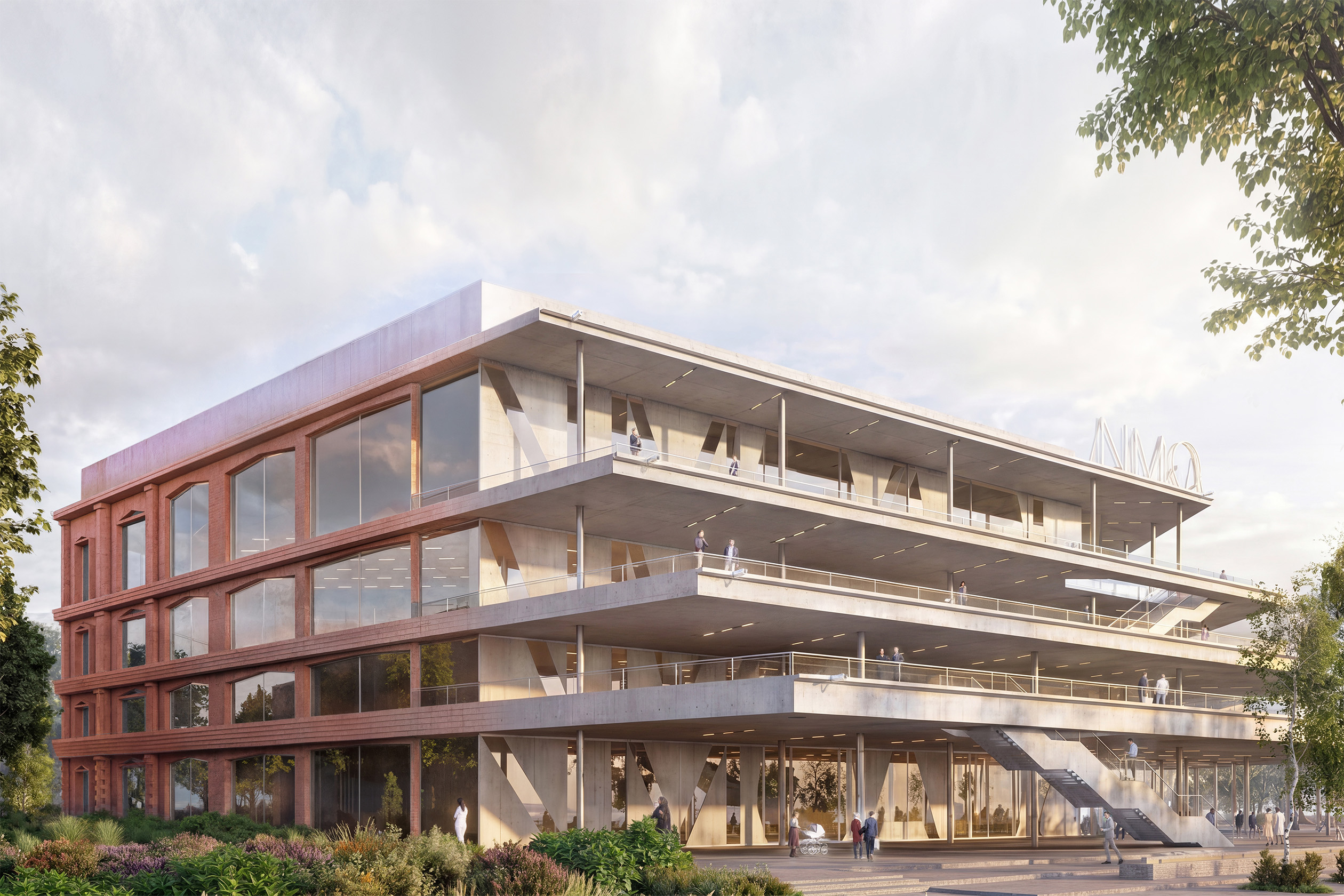
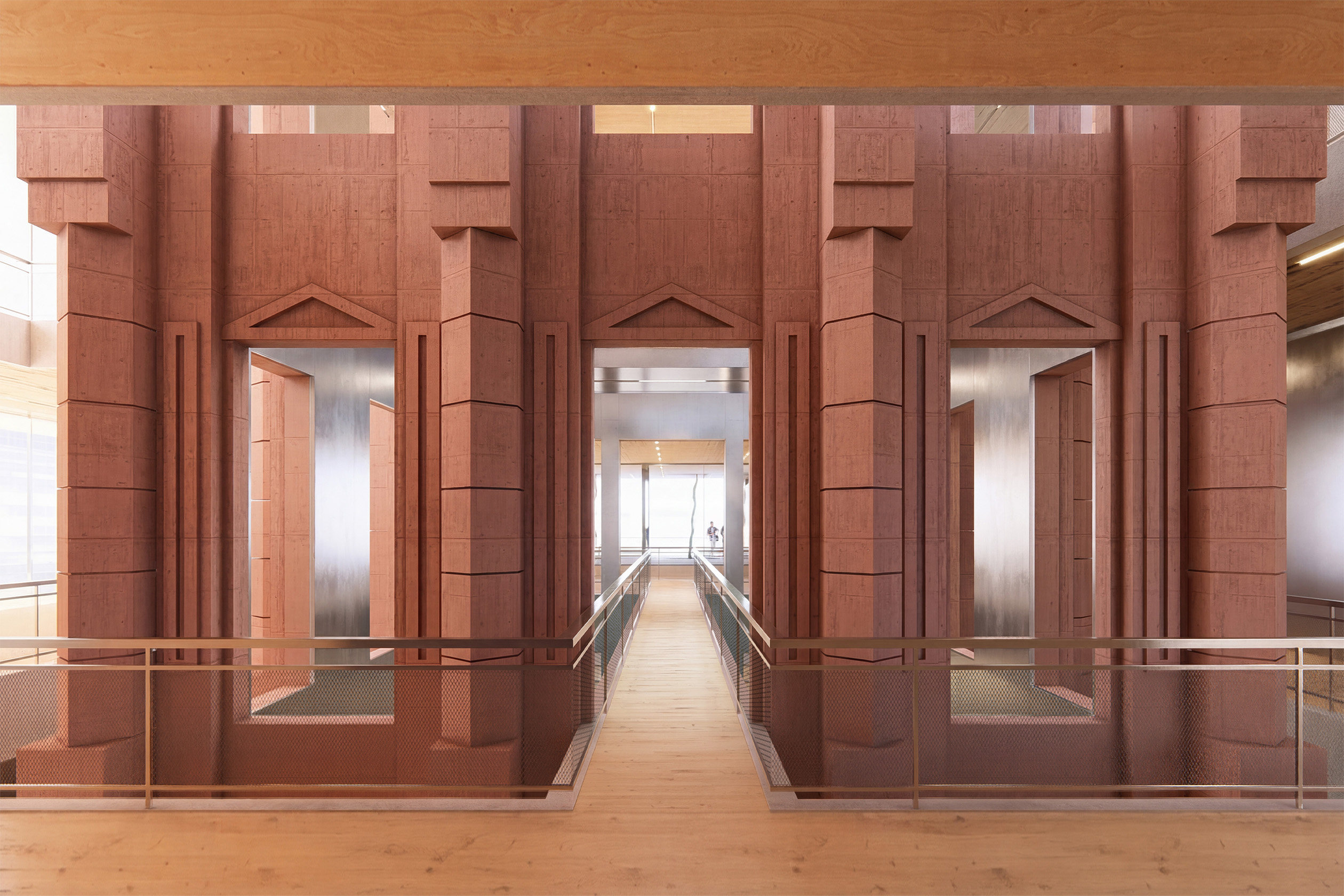
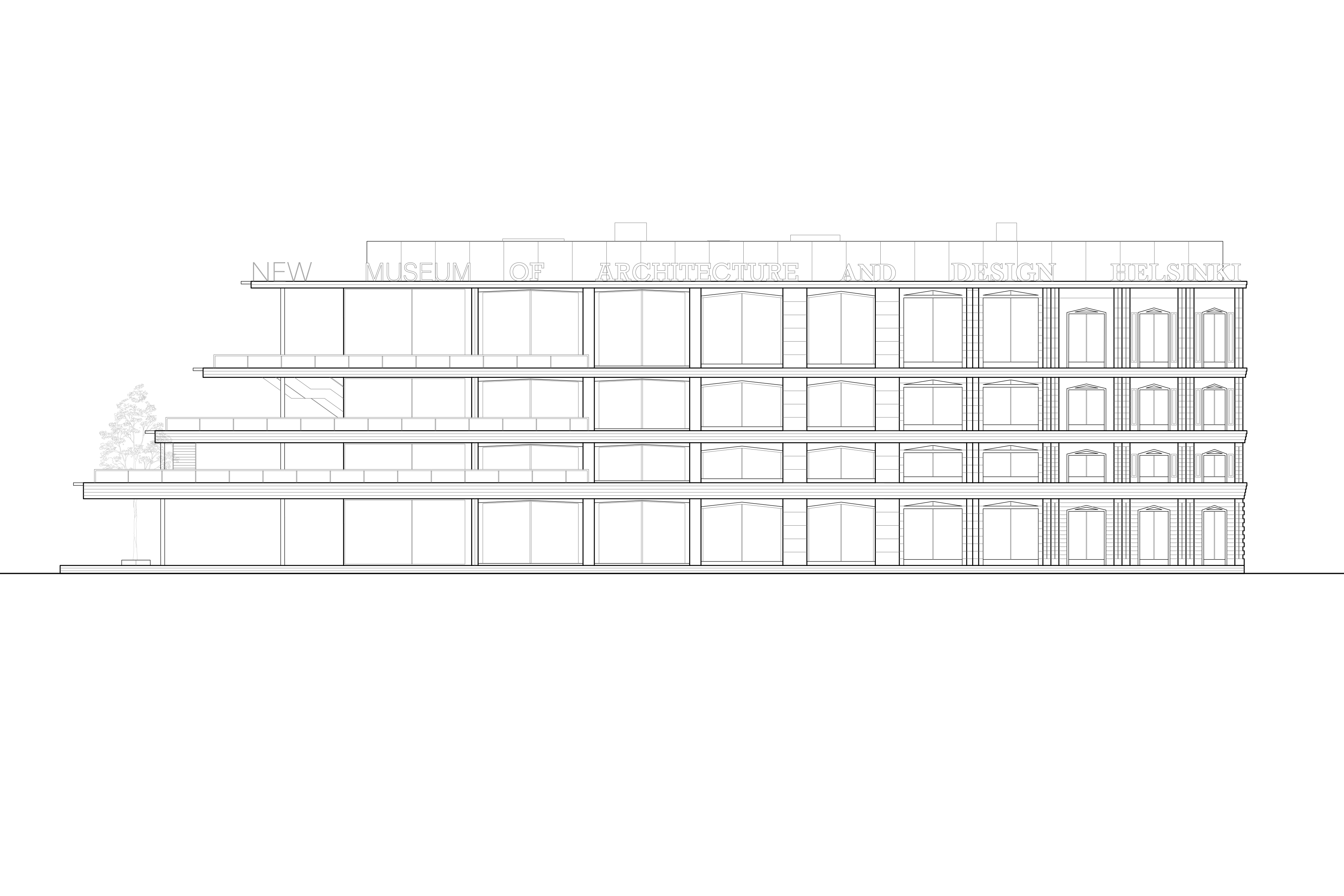
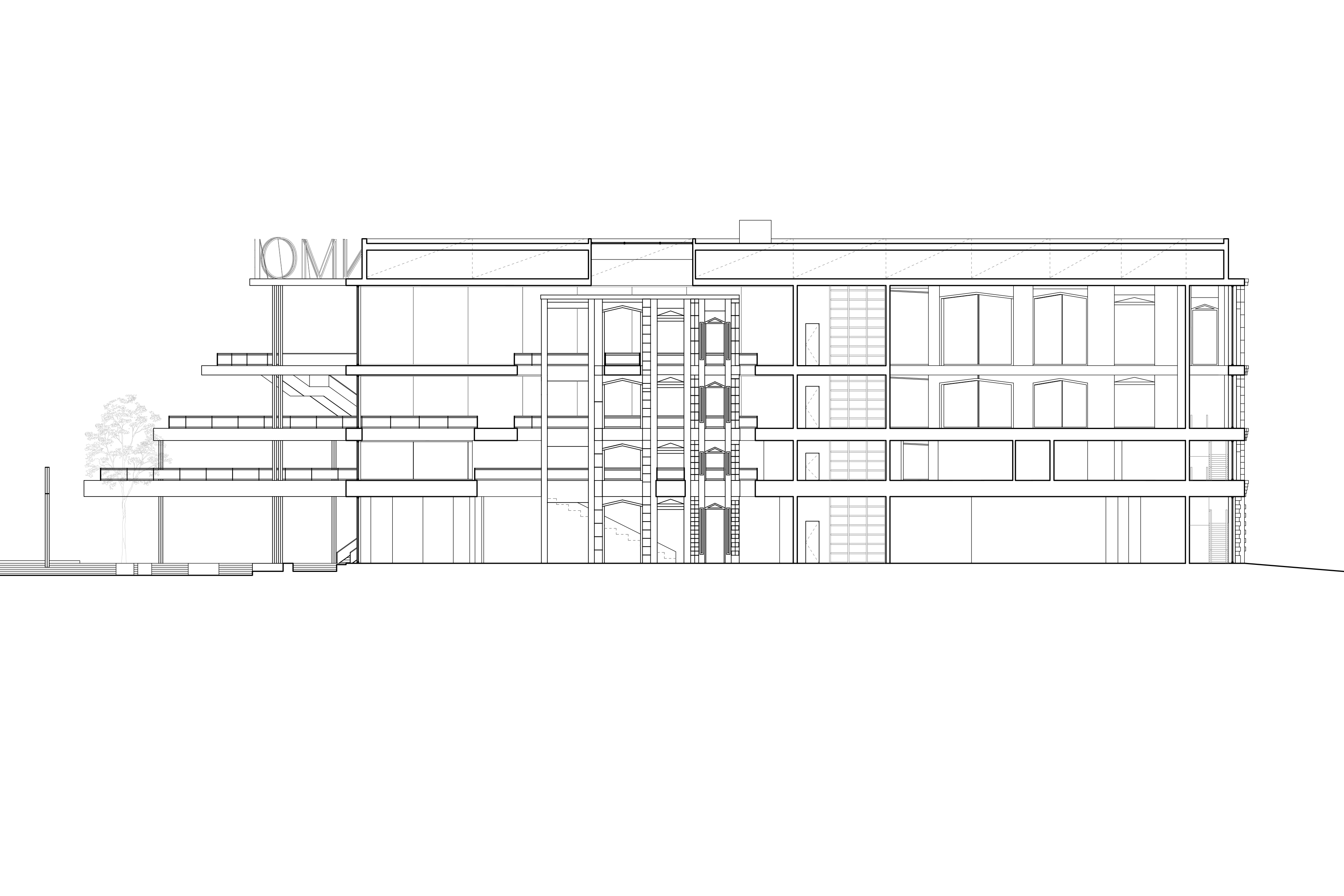
The architecture of our museum is an embodiment of transition, symbolizing the evolution of architecture from its Classical roots to contemporary innovation. The park facing facade is a contemporary interpretation of Classical rhythms and intricate details, all cast as singular concrete pieces, a synthesis of the adjacent Neoclassicism, fabricated with contemporary techniques. It then gradually transitions between all recognizable forms, from abstracted pedimented windows, to distinct punched openings, to structural post and beam, to horizontal slab and column, all of these in direct dialogue with the street facade adjacent.
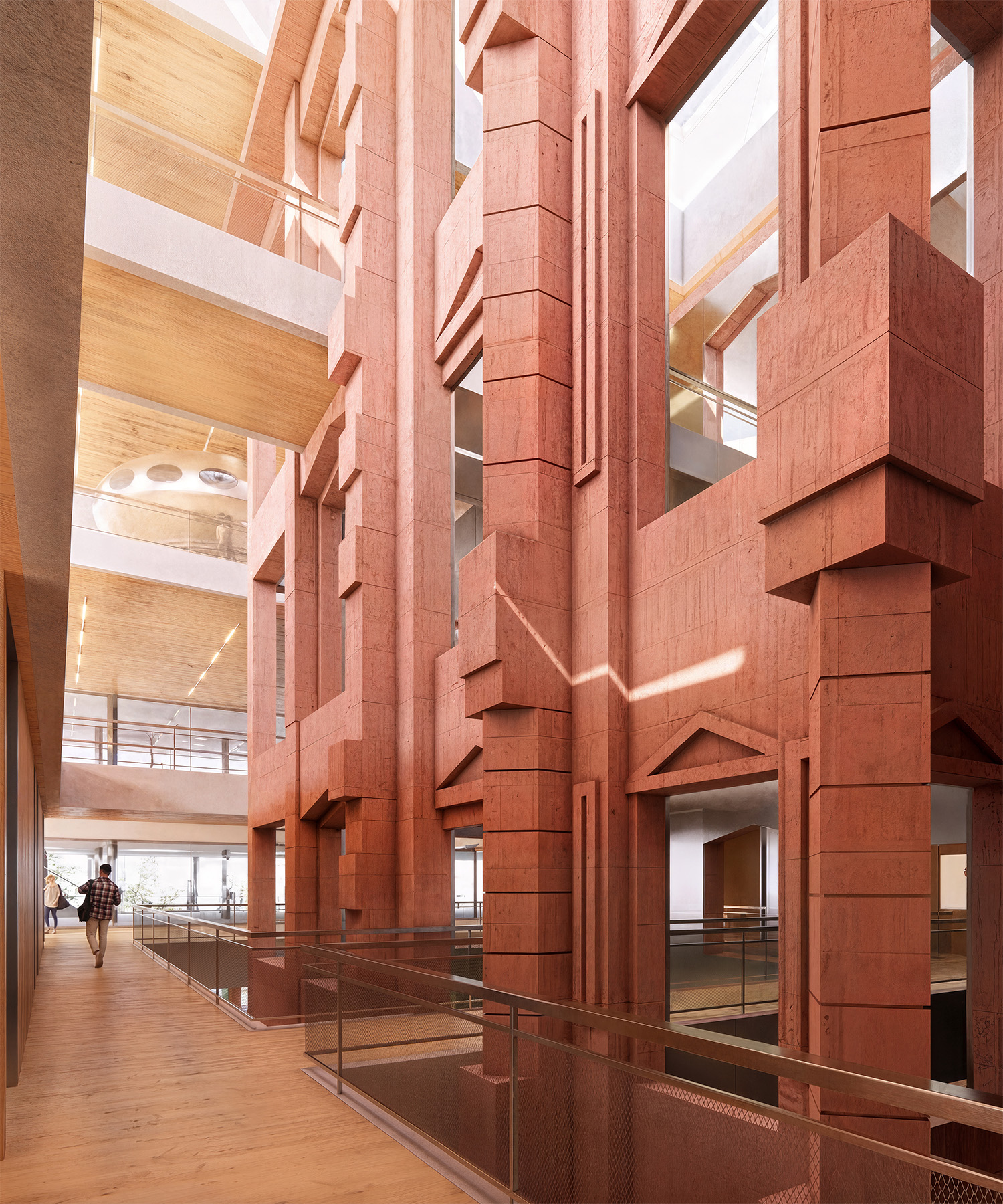
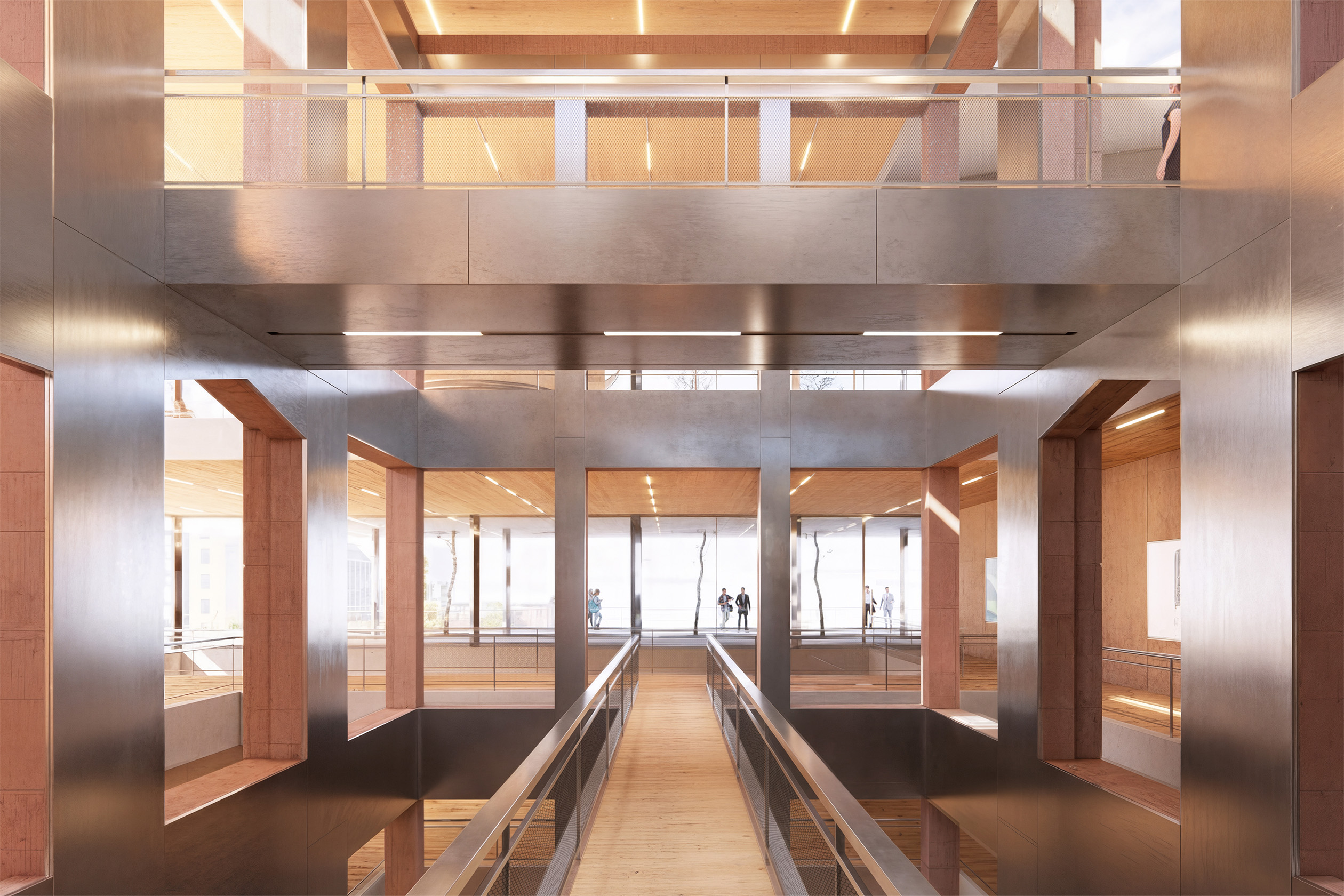
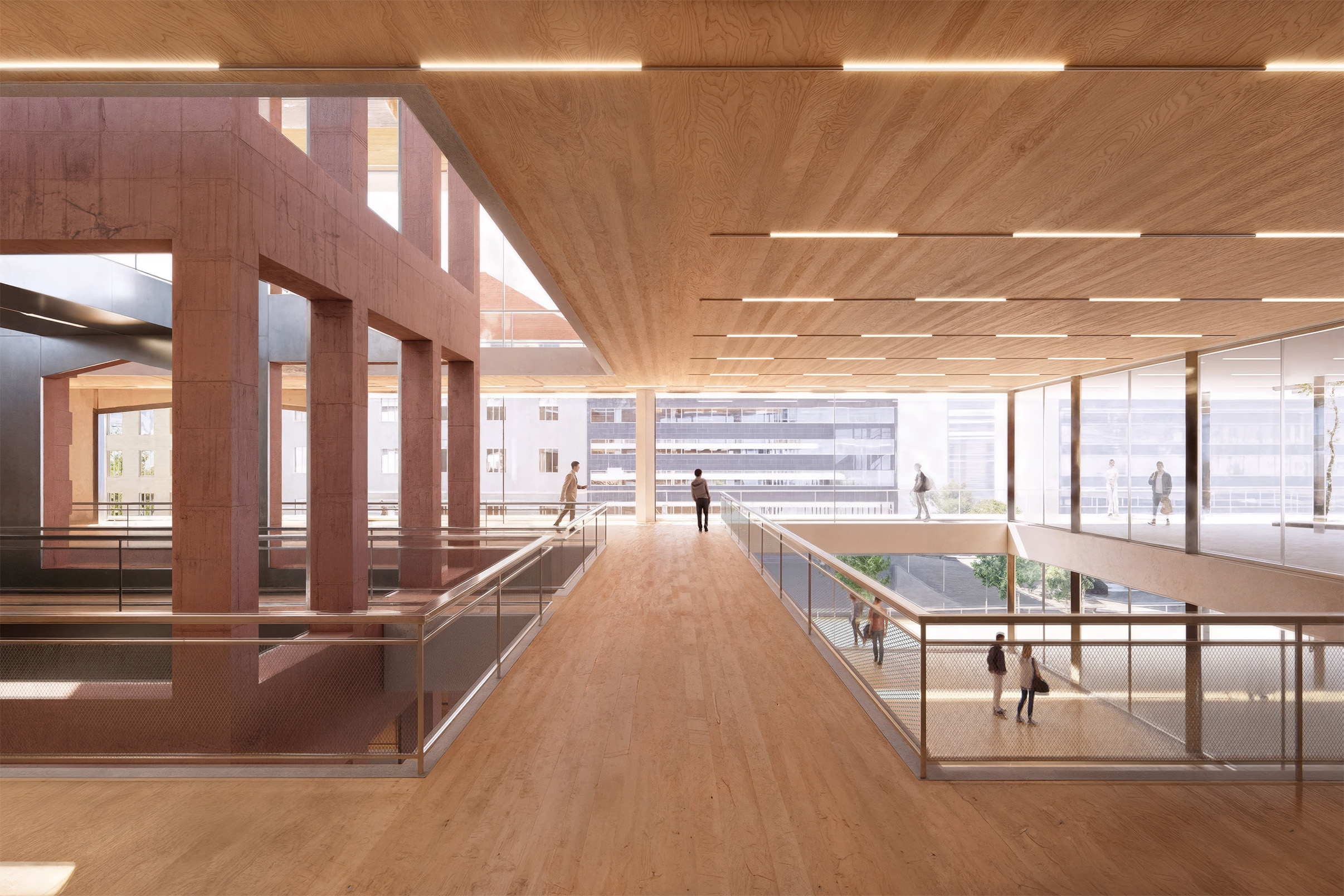
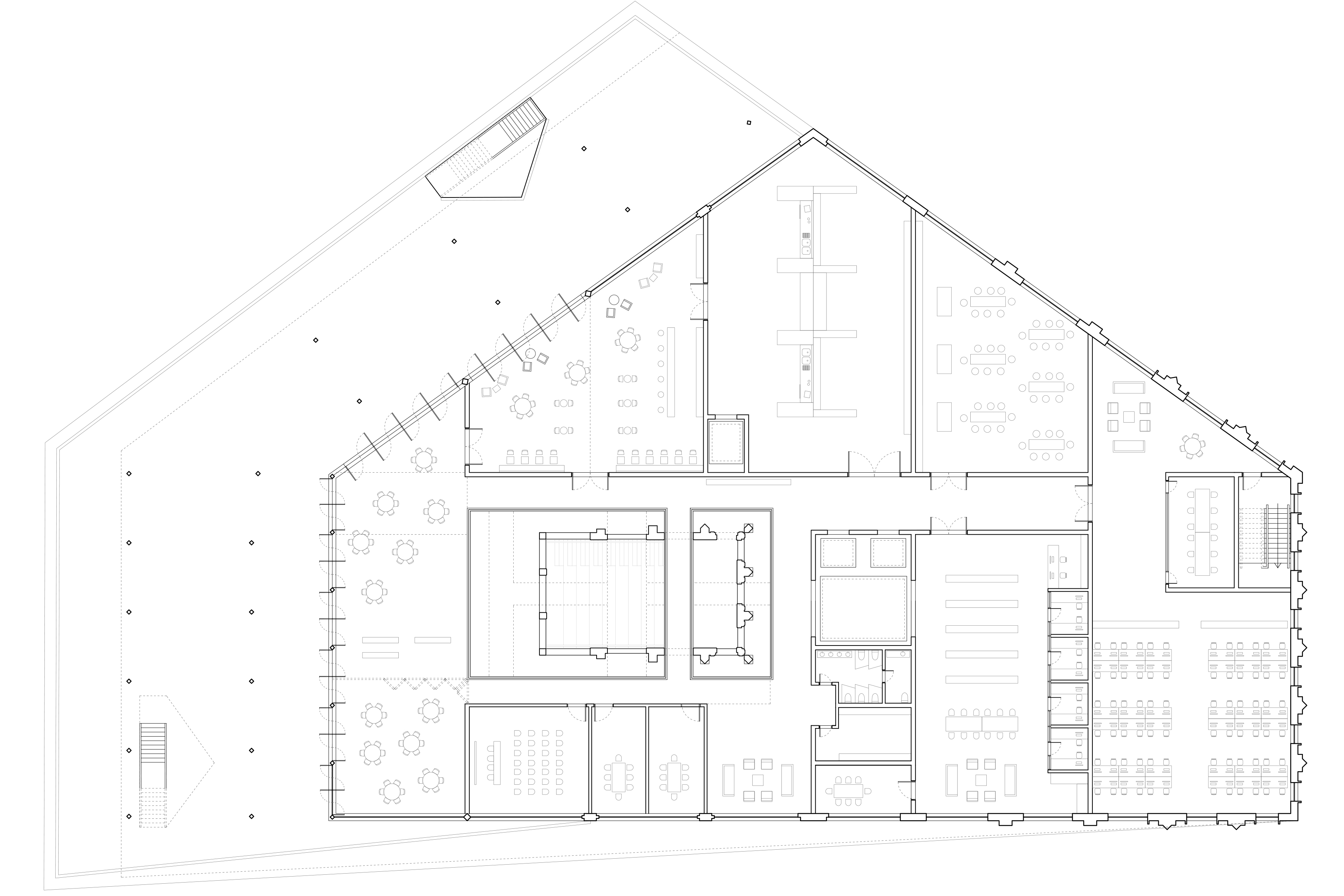
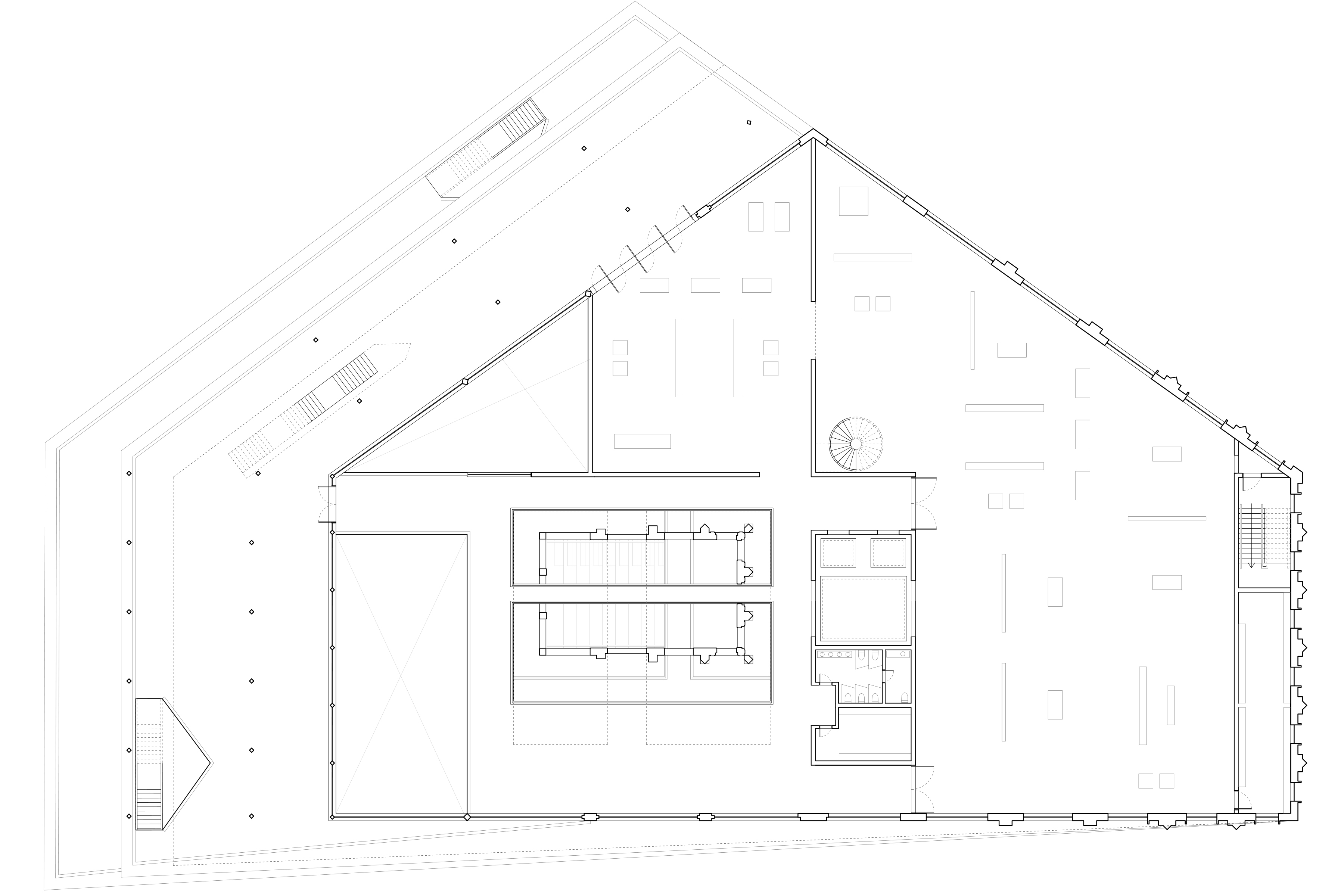
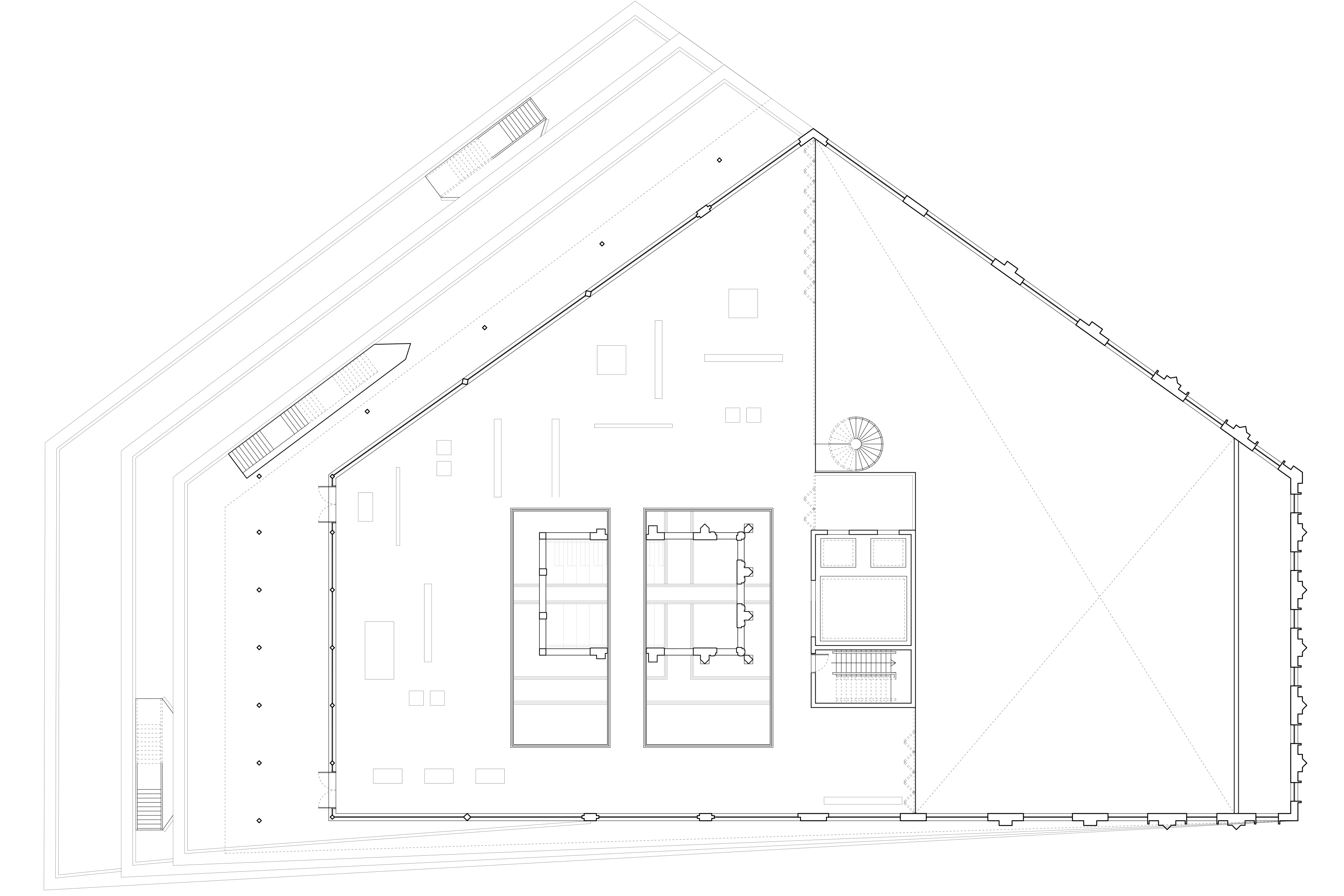
As one enters the building, the architecture transforms. The formal symmetry gives way to a more fluid arrangement of spaces and structure. The columns, once solid and monolithic, gradually become more slender and dispersed, all centering on an atrium that contains a building within a building. This central pavilion, which mimics the façade to some extent with a gradient of Classical to Modern figures, happens on a condensed scale, allowing visitors to really interact with these materials and shapes. It serves as a devise for more intimate gathering on terrace bridges that both connect the programmatic elements and act as spaces of contemplation. It is a space where the boundaries between interior and exterior, structure and space, become blurred, inviting the museum activities to bleed out and engage the panoramic vistas of Helsinki.
Through this formal and conceptual gradient, the museum offers a variety of engaging open public programs. These areas are designed to be versatile and interactive, with spaces for exhibitions, workshops, performances, and casual gatherings. The architecture appears to be a simple slab building, but inside is a rich environment of double-height spaces and openings that allow all levels of the building to interact, encouraging movement and exploration, with stairways creating moments of discovery and surprise. It is ultimately a cultural institution tying its architectural history and design legacy as a symbol of a bright future, a gradient from classical to contemporary that symbolizes the ongoing evolution of Finnish culture.